


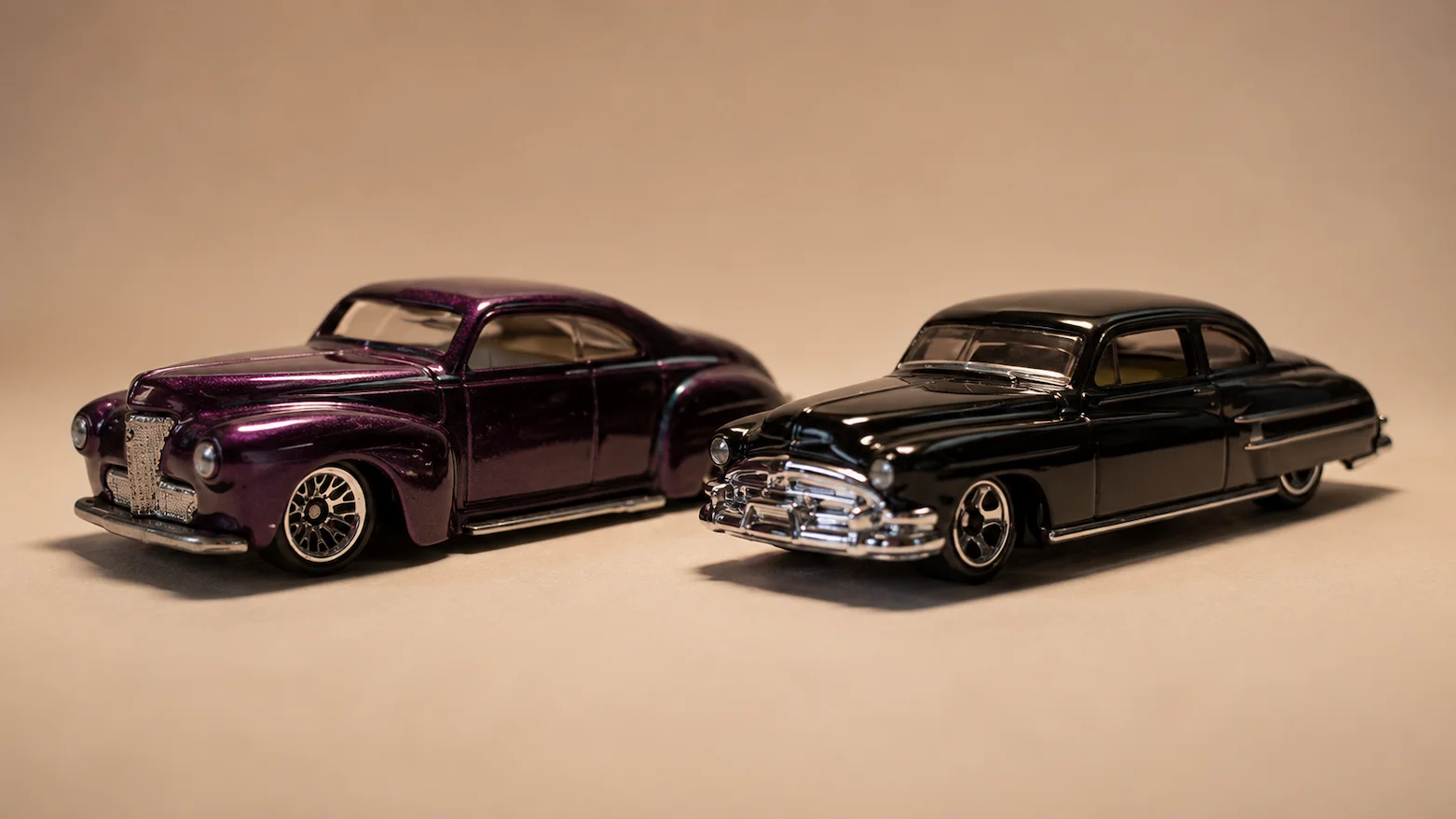
If you have ever asked what is diecast, the simplest answer is this: diecast usually refers to a model made with metal parts formed through a casting process, often combined with plastic, rubber, and painted details. In collectors language, the term is used most often for miniature cars, trucks, race cars, motorcycles, and other vehicles that feel heavier and more solid than basic plastic toys.
The word can sound technical at first, but collectors use it in a practical way. They are usually trying to understand what a model is made of, how it will feel in hand, how it compares with plastic or resin models, and whether it belongs in a serious display.
At Five Diecast, we treat diecasts as part of collecting judgment. The material matters, but it is only one part of the decision. Scale, finish, brand, subject, detail, and shelf fit all decide whether a model feels worth keeping.
What is diecast in simple collector terms?
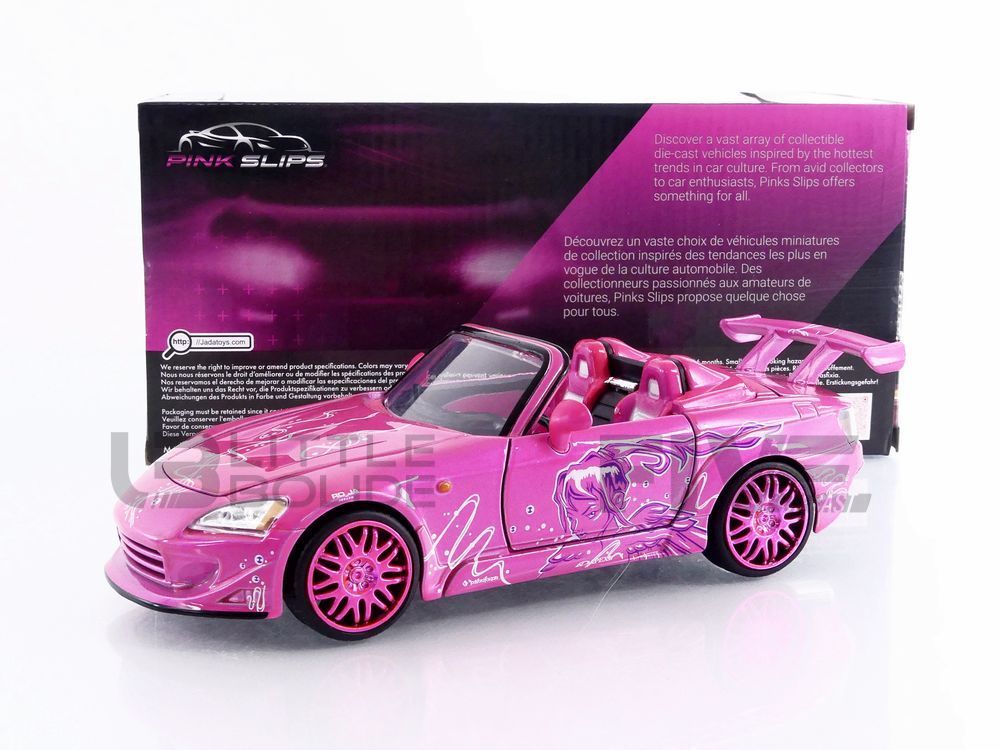
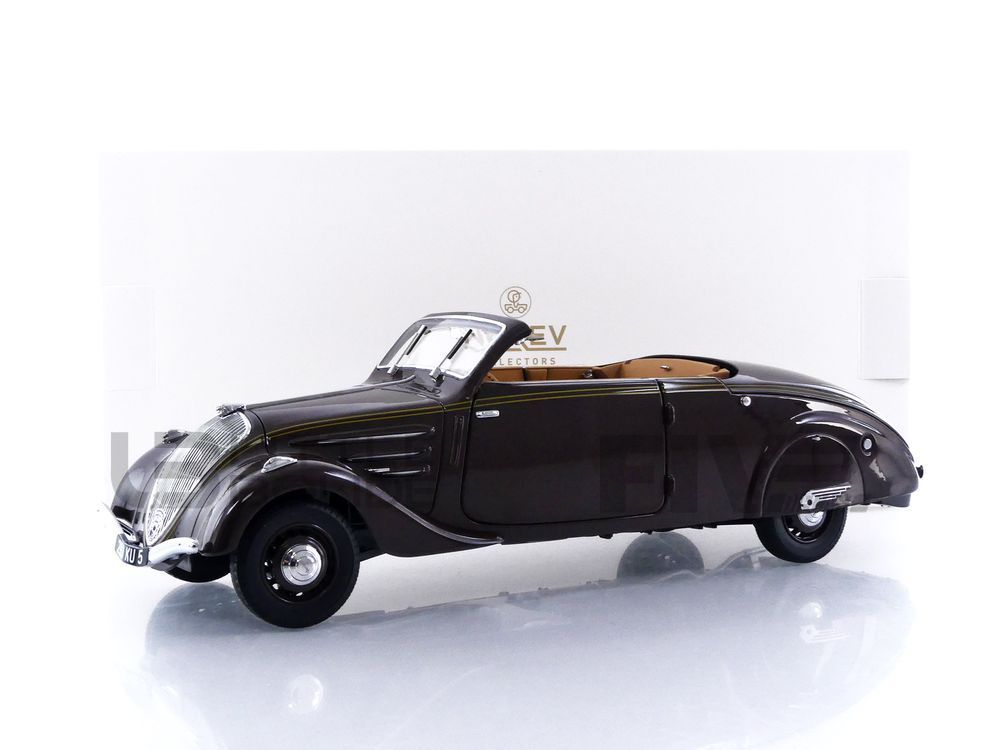
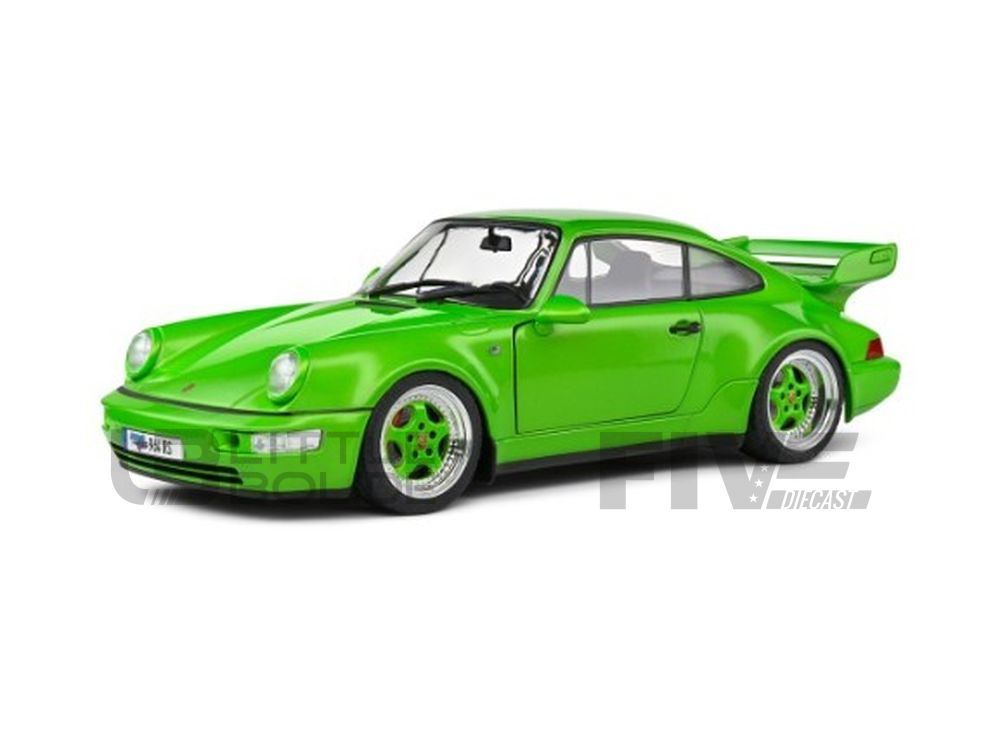
What diecast usually means is asking whether a miniature has metal construction, real model-car weight, and collector-focused detail. Many diecast model cars use a metal body, with plastic parts for windows, interiors, lights, mirrors, spoilers, undercarriage components, and other small details.
That mix of materials is normal. A diecast model does not need to be entirely metal to count as one. In fact, many strong collector models combine metal and plastic because each material handles different details better.
The appeal comes from the balance. Metal gives the model weight and presence. Plastic allows sharper interior, trim, and accessory detail. Paint, decals, wheels, stance, and proportions then decide whether the model feels like a collectible or a casual shelf filler.
Die cast meaning and why the name matters
What is diecast also connects to the die cast meaning behind the word. In manufacturing, die casting involves shaping molten metal inside a mould, often called a die. For model collectors, the term has become shorthand for miniature vehicles with a metal-based body and a more substantial feel than many plastic models.
That does not mean every diecast model is automatically premium. A model can be metal and still have weak proportions, poor paint, soft details, or wheels that do not look right. The material creates the foundation, but the execution creates the collecting value.
This is where beginners should be careful. Diecast is a material and production category. Collectible quality comes from how well the model represents the real car and how satisfying it remains on display.
Diecast model cars versus plastic models
What is diecast becomes clearer when it is compared with plastic models. Plastic models can be light, detailed, and sometimes highly accurate, especially when built from kits or produced by specialist brands. Diecast model cars often feel heavier because the body is usually metal, and many are sold fully assembled.
Plastic models may appeal to builders who enjoy assembly, painting, and customization. Diecast models often appeal to collectors who want a finished piece ready for display. Neither option is automatically better. They serve different habits.
A beginner who wants to open a box and place a car in a display case may prefer diecast. Someone who enjoys building, sanding, painting, and personalizing may enjoy plastic kits more. The better choice depends on how you want to collect.
Why collectors like the metal feel
What is diecast is partly a question about feel. The weight of a diecast model gives it a sense of permanence. A small car with a metal body can feel more like a miniature object and less like a toy, even when the scale is compact.
That physical presence matters on a shelf. A 1/18 model with a solid body can feel like a display piece. A 1/64 diecast car can feel satisfying because it carries weight despite its size. The model feels intentional when picked up, moved, or placed beside other cars.
Still, weight alone is not enough. A heavy model with weak paint or poor proportions will not satisfy a collector for long. The metal feel starts the appeal, but quality decides whether it lasts.
Scale changes the collecting experience
What is diecast often leads beginners to another question: what scale should I collect? Scale tells you how much smaller the model is than the real vehicle. A 1/18 model is much larger than a 1/64 model, while 1/43 sits between them and works well for many racing and road-car displays.
A larger scale usually gives more visual presence and may allow more detail. A smaller scale lets collectors build broader themes without needing as much space. A 1/64 shelf can hold movie cars, race cars, street cars, and brand themes in a compact area. A 1/18 shelf gives fewer models more attention.
At Five Diecast, we organize models through our diecast model car scales section, which helps beginners compare sizes before choosing a direction.
Scale is not only about size
What is diecast should not be separated from display planning. A model that looks perfect online may feel too large, too small, or visually disconnected once it arrives. Scale affects how the model lives in a room.
A 1/18 model can become a centrepiece. It needs breathing room, especially if the paint, stance, and proportions are strong. A 1/43 model can help build a more complete racing or manufacturer story. A 1/64 model can support variety, compact collecting, desk displays, and themed rows.
The best scale is the one that fits your space and collecting style. A beginner does not need the largest model to start well. A smaller model can be the smarter first choice if it fits the shelf and makes the collection easier to grow.
What makes diecast model cars collectible?
What is diecast is different from asking what makes a model collectible. A diecast model becomes collectible when the subject, scale, detail, brand, condition, finish, rarity, and display value work together.
A basic model may be fun to own, but a collectible model holds attention longer. It has a reason to stay on the shelf. That reason might be a famous race, a favourite road car, a movie connection, a limited release, a trusted manufacturer, or a car that fits perfectly into a theme.
Beginners should not collect only because a model is available. Availability can create pressure, but fit creates satisfaction. The stronger question is whether the model still feels right after the first excitement fades.
Finish, stance, and proportion matter
What is diecast also leads to the details collectors notice later. Paint quality matters because it shapes the first visual impression. Stance matters because the car should sit correctly. Proportion matters because the model needs to feel like the real vehicle, even when reduced.
A model can have good material but poor presence. Wheels may sit too high. Paint may look thick. Details may feel soft. Badging may be weak. These issues become more obvious after the model has been on display for a while.
A strong diecast model does not need to be the most expensive option. It should look deliberate. The shape should read correctly, the finish should feel clean, and the model should make sense beside the rest of the collection.
Diecast, resin, and other collector materials
What is diecast is often asked beside another question: is diecast better than resin? The answer depends on the collector. Resin models are usually lighter and can capture sharp shapes well, especially for limited-production subjects. Diecast models often appeal because of metal weight, durability, and traditional model-car feel.
Some collectors prefer diecast because it feels more substantial. Others choose resin because certain rare race cars, prototypes, or specialist subjects may be easier to find in resin. Many serious collections include both.
The material should serve the model. A diecast road car, resin race car, and plastic kit can all belong in the same collection if each one supports the collector’s point of view.
Beginner mistakes to avoid
What is diecast can become confusing when beginners try to buy too much too quickly. The first mistake is chasing every interesting car without thinking about scale. A shelf can become crowded fast when 1/18, 1/24, 1/43, and 1/64 models are mixed without intention.
The second mistake is buying only because a release looks limited. Limited does not always mean important to your collection. A model should fit your taste, not only your fear of missing out.
The third mistake is ignoring condition and packaging. If you plan to collect seriously, check whether the model is new, boxed, displayed, damaged, or missing parts. Small details can affect long-term satisfaction.
How to choose your first diecast model
What is diecast should help a beginner buy with more confidence. Start with a car that already means something to you. It may be a race car, a movie car, a childhood favourite, a manufacturer you love, or a model that fits your display space.
Then choose a scale. If you want one strong display piece, 1/18 may feel satisfying. If you want variety and compact collecting, 1/64 may make more sense. If you like motorsport lineups or balanced display cases, 1/43 can be a strong middle ground.
After that, look at the brand, finish, and photos. Make sure the model feels like something you would still enjoy after the purchase moment passes. Good collecting begins with one thoughtful choice.
Collectible model cars need a point of view
What is diecast matters because it gives beginners the vocabulary to collect better. Once the material is understood, the next step is building taste. A collection feels stronger when the models share some kind of direction.
That direction can be simple. You might collect Porsche road cars, Le Mans winners, Formula 1 models, movie cars, American muscle, Japanese performance cars, or only one scale. The theme does not need to be strict. It only needs to help you decide what belongs.
Collectible model cars become more rewarding when each model adds something to the shelf instead of filling space. The goal is not to own everything. The goal is to choose pieces that still feel right over time.
Learn the basics, then collect with intention
What is diecast is a beginner question, but it leads to better collecting decisions. Diecast usually means a metal-bodied model, often combined with plastic and detailed finishing. The real value comes from how that model uses scale, material, accuracy, story, and display fit.
At Five Diecast, we like helping collectors think beyond the first look. Use this guide to understand the basics, then browse collector-grade models by scale or theme. If you have questions about a model, scale, order, or collecting direction, reach out to us.
Explore diecast model cars: