



F1 model cars are miniature replicas of Formula 1 race cars collected by fans who care about teams, drivers, seasons, liveries, race history, and display quality. A strong model is not only a small version of a famous car. It is a way to keep one part of a racing story visible on a shelf.
Choosing well can be harder than it looks. A car may be tied to a champion, a favourite driver, a special livery, or a season that still feels important. Another may simply look sharp in photos. The better choice is the one that still feels right after the first excitement fades.
At Five Diecast, we look at Formula 1 collecting as a mix of memory and judgment. The best pieces fit the collector’s scale, display space, and reason for caring about the car. That is why F1 model cars should be chosen with the shelf in mind, not only the race result.


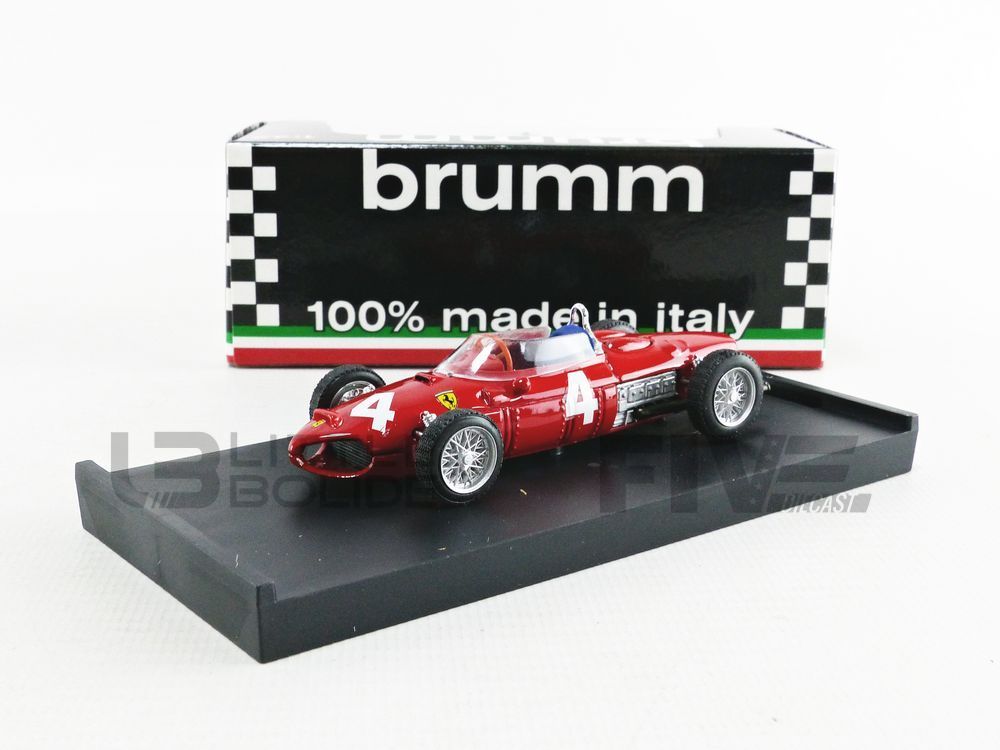
Start with the reason you want the model
F1 model cars become easier to choose when the collector knows the reason behind the purchase. Some collectors start with a driver. Others follow a team, a championship year, a sponsor livery, a race winner, or an era of car design.
That first reason matters because Formula 1 releases can feel endless. One season can produce several cars across teams, scales, drivers, race versions, and manufacturers. Without a point of view, it is easy to buy a model because it is available rather than because it belongs.
A collector who loves one driver may value race-specific releases. A team collector may care more about having several cars across different seasons. A livery collector may choose the car that looks best in a display case. None of those approaches is wrong. The key is knowing which one guides the shelf.
Team loyalty gives a collection structure
F1 model cars often make sense when a collection is built around a team. Ferrari, McLaren, Mercedes, Red Bull, Williams, Lotus, Renault, Benetton, and other team names can give a shelf a clear identity.
A team-based collection can show change over time. The cars become a visual timeline of design, colours, sponsor eras, and technical shapes. A Ferrari display, for example, can move from classic scarlet machines to modern hybrid-era cars. A McLaren shelf can show orange, silver, chrome, and special liveries across different periods.
This approach works well because it gives the collector a filter. Not every attractive Formula 1 model needs to be bought. The question becomes whether the car strengthens the team story already forming.
Driver-focused collecting feels personal
F1 model cars can also be chosen through drivers. This is often more emotional than team collecting because the model connects to a person, not only a machine. A collector may follow Ayrton Senna, Michael Schumacher, Lewis Hamilton, Max Verstappen, Fernando Alonso, Charles Leclerc, or another favourite because one career shaped how they watched the sport.
Driver-focused collecting can include first wins, championship cars, final seasons, comeback years, special helmets, or one race that became memorable. A single F1 car model can carry a lot of meaning when it represents the exact moment a collector remembers.
This style can be more selective than team collecting. The collector may not need every car from the driver’s career. One or two well-chosen models can say more than a crowded row of releases that do not feel equally important.
Scale changes the whole display
F1 model cars should be chosen with scale in mind before anything else. A 1/18 model has presence. It can become the centre of a display and show more body shape, wheels, aerodynamic detail, and cockpit visibility. It also needs more space.
A 1/43 model is more compact and often works better for season or team depth. It allows collectors to show several cars without filling an entire cabinet. A 1/64 model can work for very compact displays or collectors who like variety across many teams.
Our Formula 1 model cars category is a useful place to compare scale, manufacturer, team, and release type before deciding which model belongs in your collection.
Bigger is not always better
F1 model cars in larger scales can look impressive, but scale should support the goal of the collection. A 1/18 championship car can feel like a statement piece. A group of 1/43 models can tell a fuller season story. A small-scale lineup can make sense for collectors with limited space.
The mistake is assuming the largest model is always the most serious choice. A larger model that does not fit the shelf may feel awkward. A smaller model that fits a clear theme may feel more intentional.
Collectors should picture the model after it arrives. Will it sit alone, beside cars from the same team, or inside a mixed racing display? That answer often decides the right scale.
Livery can decide the model
F1 model cars are often remembered by colour before anything else. A great livery can make a model worth displaying even when the car was not the most successful machine of its season. Sponsor placement, colour balance, number visibility, and race-specific markings all affect the shelf impact.
Some collectors prefer championship cars. Others prefer the best-looking car. Both approaches can work. Formula 1 is visual by nature, and a model that looks strong from normal viewing distance may hold attention longer than a more historically important release that does not fit the display.
The best livery choice is usually the one that still feels connected to the reason for collecting. Beauty matters, but context keeps the model meaningful.
Season and race versions matter
F1 model cars can represent a full-season car, a specific Grand Prix, a winner, a launch version, a test car, or a special livery. Beginners sometimes miss this difference and assume all releases of one car are the same.
For serious collectors, those distinctions matter. A race winner may carry stronger story value. A Monaco version may appeal because the circuit has cultural weight. A championship car may feel essential for a driver-focused collection. A special livery may make the model stand out even if it represents only one weekend.
Before buying, look at the listing details. The team, driver, year, race, and scale should match the story you want the model to tell.
Manufacturer choice affects confidence
F1 model cars are produced by different manufacturers, and each brand can feel different in scale, finish, subject coverage, and price. Spark, Minichamps, Bburago, GP Replicas, Looksmart, and other names may appear depending on the release, era, and scale.
A beginner does not need to memorize every manufacturer before buying. It is more useful to compare the specific model. Does the stance look right? Does the livery look clean? Does the scale match your display? Does the brand have a good reputation for that type of car?
F1 cars also become easier to compare once the collector learns which brands fit their expectations. Some buyers care most about price and availability. Others care about race-specific detail or premium finish. The right choice depends on the shelf and the budget.
Do not buy only because it is available
F1 model cars can create urgency, especially when a release is limited, sold out elsewhere, or tied to a major driver. Availability matters, but it should not be the only reason to buy.
A model should fit your collection after the urgency is gone. If it does not match your scale, theme, driver interest, or display plan, it may feel like a placeholder later. A collector’s shelf becomes stronger when each piece has a reason to stay.
The better question is simple: would you still want this model if it were easy to find next month? If the answer is yes, the model may be worth considering.
How to compare two similar models
F1 model cars often compete for the same space in a collection. A collector may be deciding between two drivers from the same team, two scales of the same car, or two race versions from one season.
When comparing, start with the story. Which model represents the moment you care about more? Then look at scale, display space, livery, price, manufacturer, and how the model fits beside pieces you already own.
A model that looks exciting alone may not be the best fit for the collection. The right choice should add something clear: a missing driver, a championship year, a favourite livery, or a car that strengthens the shelf’s direction.
A Formula 1 shelf should have a point of view
F1 model cars look better when the collection has some kind of direction. That direction does not need to be strict. It might be one team, one driver, champions only, modern hybrid cars, classic cars, race winners, special liveries, or one preferred scale.
A point of view helps the shelf feel curated instead of random. It also makes future choices easier. When a new model appears, the collector can ask whether it supports the direction or distracts from it.
At Five Diecast, we like this kind of collecting because it gives every model more meaning. A smaller, better-chosen shelf often feels stronger than a larger group with no shared idea.
Compare before you add the next car
F1 model cars reward collectors who pause before buying. The right model should match the team, driver, scale, season, livery, and display goals that matter most to you. It should make the shelf feel more complete, not simply more full.
At Five Diecast, we help collectors think beyond the first product photo. Compare your favourite teams, drivers, and scales before viewing Five Diecast F1 models. If you want help choosing a scale, checking a model, or comparing options, reach us through our contact page.
Explore diecast model cars: