Read More
Celebrating Automotive Design Beyond the Racetrack
Diecast road cars represent the vehicles that actually move society: production automobiles that define eras, express national character, and create personal memories for millions of drivers worldwide. While racing cars capture motorsport glory, road car diecast models celebrate the artistry, engineering, and cultural significance of street-legal machines — from family sedans to exotic supercars. Models from manufacturers like Norev, Solido, GT Spirit, and AUTOart preserve more than a century of design evolution. At Five Diecast, we recognize that road car collecting connects enthusiasts with real ownership experiences and automotive heritage in ways racing models cannot; these are cars people drive, aspire to own, or remember from family history.
Explore Road Car Categories
4×4 & SUV – Adventure-ready icons and modern utility
Sedan – Everyday classics to luxury flagships
Coupe – Sports coupes and performance silhouettes
Convertible – Open-top legends and modern cabrios
RV & Van – Vans, campers and road-trip culture
Motorcoach – Coaches, buses and long-distance travel
Motorcycle – Two-wheel icons and racing heritage
Military & Emergency – Service vehicles, police and rescue fleets
Showcar – Display builds, customs and standout pieces
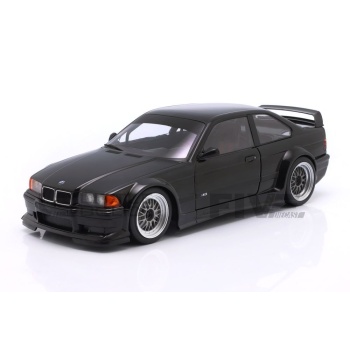
Tuning – Modified culture, widebodies and stance builds
Utility – Work trucks and vocational vehicles
LS Collectibles French cars
Road Kings classic trucks
Classic and Vintage Automobile Collecting
Pre-war automobiles represent automotive history’s pioneering era when cars transitioned from experimental curiosities to practical transportation. Models of 1920s and 30s classics from Bugatti, Delahaye, Duesenberg, and Rolls-Royce capture Art Deco elegance and coachbuilt craftsmanship defining luxury before mass production standardized design. These models appeal to collectors appreciating automotive artistry when each expensive car received custom bodywork from renowned coachbuilders creating unique sculptures. The mechanical sophistication seems primitive by modern standards, but the styling remains timelessly beautiful. Manufacturers like CMC produce museum-quality replicas of these pre-war classics with extraordinary detail including functional steering, opening doors, and accurate interior appointments.
Post-war classics from the 1950s and 60s document automotive’s golden age when chrome, tail fins, and optimistic styling reflected postwar prosperity. American models from Chevrolet, Cadillac, Ford, and Chrysler showcased distinctive yearly styling changes and powerful V8 engines. European sports cars like Jaguar E-Types, Porsche 356s, and Mercedes 300SLs combined performance with elegant design creating icons still celebrated today. Japanese manufacturers emerged during this period with models like early Datsun Z-cars and Toyota 2000GTs establishing reputations for reliability and value. Collecting 1950s-60s models documents this explosive creativity when automotive design pushed boundaries annually and manufacturers established identities still recognizable today.
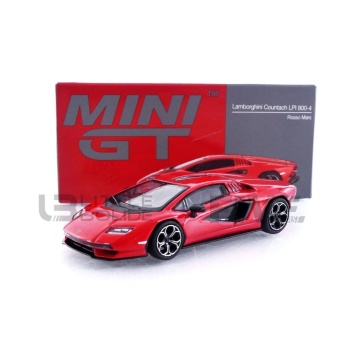
The 1970s and 80s represent controversial but fascinating collecting territory. Emission regulations, safety standards, and fuel economy pressures created awkward compromises visible in bumper-heavy American cars and underpowered European sports cars. However, this era also produced iconic designs; the Lamborghini Countach defining supercar aesthetics, BMW’s E28 5-Series establishing sports sedan benchmarks, and Porsche’s 911 Turbo becoming the definitive 1980s performance car. Collecting this period appeals to enthusiasts who experienced these cars when new or appreciate them as representation of automotive industry’s adaptation to regulatory challenges. The styling hasn’t aged as gracefully as 1960s classics, but these cars represent authentic automotive history worth preserving.
Modern Road Car Categories and Collecting Approaches
Supercar and hypercar collecting celebrates automotive extremes where price, performance, and exclusivity reach stratospheric levels. Models of Ferraris, Lamborghinis, McLarens, and Bugattis from manufacturers like GT Spirit, AUTOart, and BBR preserve these exotic machines that most enthusiasts will never experience in person. The appeal transcends pure performance statistics; these cars represent industrial sculpture, technological showcases, and aspiration. Limited production runs of actual vehicles create corresponding scarcity in model form, with some replicas appreciating significantly.
Sports car collecting documents the more accessible performance category where enthusiasts might realistically own examples. Porsche 911s spanning seven generations, Corvettes from C1 through C8, Mazda Miatas, BMW M cars, and countless others represent attainable performance creating strong emotional connections. Many collectors own or have owned the actual vehicles they collect in miniature form, making these models personal rather than purely aspirational.
Luxury sedan and grand touring collections celebrate comfort, technology, and prestige. Mercedes S-Class models document flagship luxury evolution across decades. BMW 7-Series competing with Audi A8 and Jaguar XJ creates German-British luxury rivalries. Bentley, Rolls-Royce, and Maybach represent ultra-luxury tiers where craftsmanship reaches its pinnacle. The best luxury car models from Norev, Kyosho, and other premium manufacturers capture the presence these full-size vehicles project.
Vintage and classic reprints keep everyday automotive history alive. Manufacturers like Solido, Norev, and IXO maintain extensive catalogs of Citroën DS, Renault classics, Peugeot icons, and countless European models that shaped real roads. This historical documentation preserves automotive diversity that modern consolidation has diminished.
Road Diecast Cars FAQs
Do road car models hold value better than racing car models?
Value retention depends more on manufacturer, rarity, and model significance than road versus racing categorization. Limited edition road car models from premium manufacturers like Amalgam Collection, BBR, or MR Collection can appreciate due to small production runs and high initial quality. Road cars representing major milestones (Ford GT, Ferrari F40, Lamborghini Miura) often maintain stronger long-term demand than obscure releases.
Should I collect road cars from one manufacturer or multiple brands?
Both approaches work. Single-manufacturer collections create focused narratives documenting design language and technical philosophy across decades. Multi-brand collecting captures broader automotive history and design diversity across countries and eras. Many collectors blend both: depth in favorite brands, plus key icons from others.
What road car categories are most popular with serious collectors?
Supercars and hypercars remain consistently popular due to exotic appeal and limited production. Classic sports cars from the 1950s–70s are enduring favorites, while everyday classics (Volkswagen Beetle, Mini, Citroën icons) have grown strongly through nostalgia. Collect what resonates personally — ownership memories, aspirations, design passion, or historical fascination.