Read More
Purpose-Built Racing Machines in Miniature Form
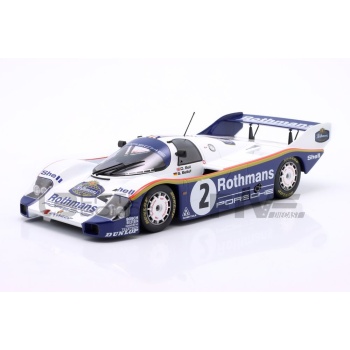
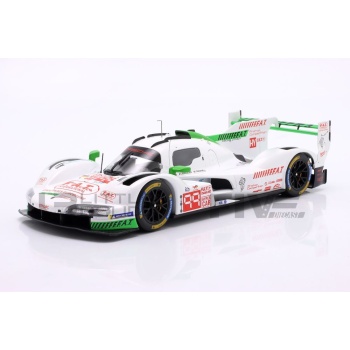
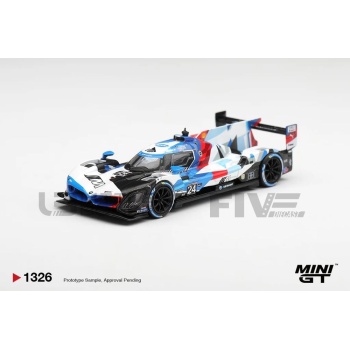
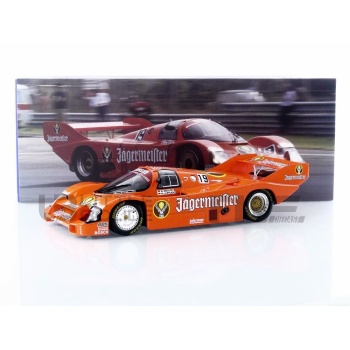
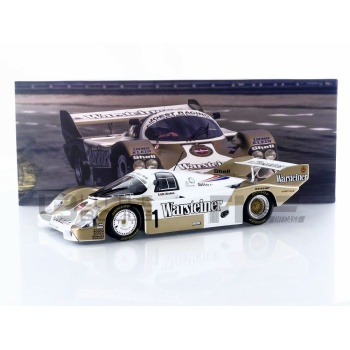
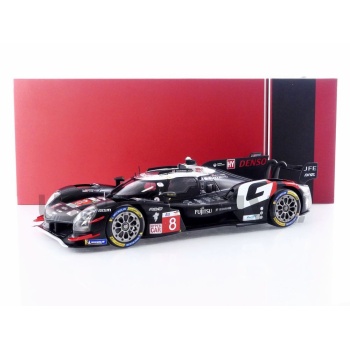
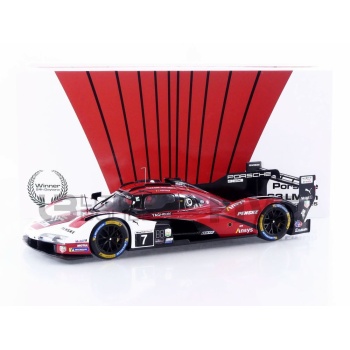
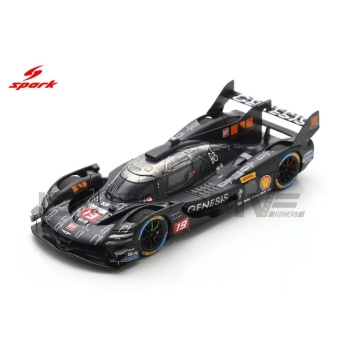
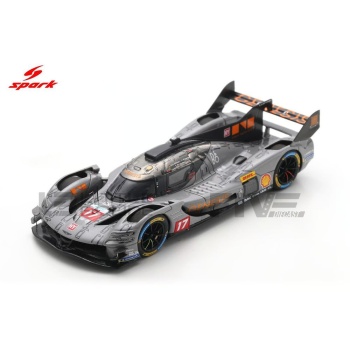
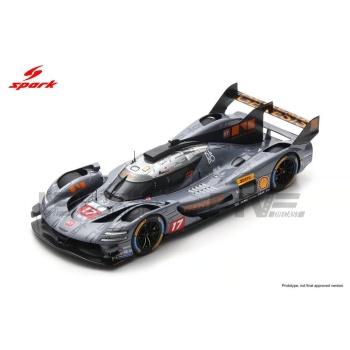
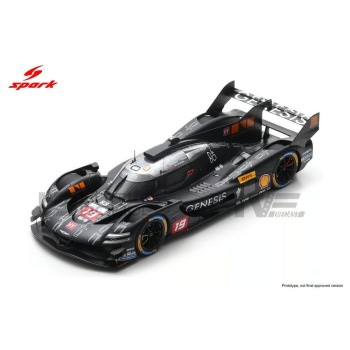
Diecast prototype cars represent pure racing philosophy — machines engineered without production constraints or homologation compromises. Built from blank sheets of paper, these purpose-designed racers explore the limits of aerodynamics, hybrid systems, materials science, and endurance strategy. From Group C streamliners to LMP1 hybrids and modern Hypercar contenders, prototype racing has produced some of the most technically advanced and visually dramatic competition cars in history. At Five Diecast, we curate premium prototype replicas from Spark, GT Spirit and specialist manufacturers. You can also explore our full
diecast racing cars collection
including Le Mans, GT racing, Formula 1, rally and US racing categories.
Understanding Prototype Categories and Regulations
LMP1 represented the pinnacle of endurance prototype racing through 2020. The LMP1-H hybrid era (2014–2020) showcased extraordinary technological development, with Audi, Porsche, and Toyota producing 1,000-horsepower powertrains combining combustion engines with advanced energy recovery systems. These cars harvested braking and exhaust energy to power electric motors, achieving unprecedented efficiency without sacrificing speed. Collecting LMP1 models documents one of motorsport’s most intense engineering arms races.
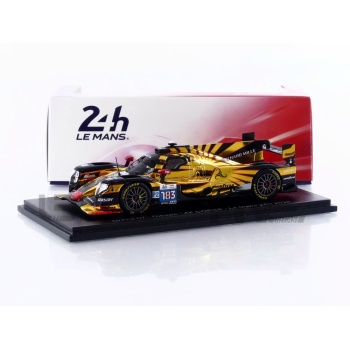
LMP2 serves as the backbone of endurance grids, using controlled-cost regulations and spec engines while maintaining genuine prototype performance. Chassis from Oreca, Dallara, Ligier, and Riley create variety within the class. LMP2 collecting highlights privateer teams and class victories across WEC and IMSA championships.
DPi (Daytona Prototype international) blended LMP2 chassis with manufacturer-specific bodywork and engines, giving Cadillac, Acura, BMW, and Mazda distinctive identities in IMSA competition. These cars celebrated North American endurance racing at Daytona and Sebring while maintaining prototype performance.
Hypercar regulations replaced LMP1 beginning in 2021, balancing cost control with performance. Toyota, Ferrari, Porsche, Cadillac, Alpine and others compete under this new formula. Hypercar models document endurance racing’s modern era and the regulatory transition shaping its future.
Era-Based Prototype Collecting
Group C (1982–1993) remains one of the most celebrated prototype eras. Porsche 956/962, Jaguar XJR, Mercedes C-series, Mazda 787B and Nissan entries combined ground effect aerodynamics with turbocharged power. These enclosed-wheel streamliners remain timeless in both engineering and aesthetics.
Can-Am (1966–1974) showcased virtually unrestricted development. With over 1,000 horsepower and radical bodywork, McLaren M8 and Porsche 917/30 models represent racing excess at its peak.
Modern WEC and IMSA Prototypes document rapid technical evolution across multiple championships. Collecting complete grids from specific seasons highlights manufacturer rivalries and regulatory adaptation.
Technical Appeal and Display Presence
Prototype race cars are aerodynamically complex, with dramatic diffusers, sculpted bodywork, intricate wing elements, and hybrid packaging that make them visually striking in scale form. Their low, wide stance and endurance-specific lighting systems create especially dynamic display pieces, particularly in 1:43 and 1:18 scales.
Prototype Diecast Cars FAQs
What differentiates prototype cars from GT race cars?
Prototype race cars are designed exclusively for competition with no production-car constraints. GT cars must retain visible ties to road models. Prototypes therefore achieve greater aerodynamic freedom, faster lap times, and more radical engineering solutions.
Why do some prototype models show race wear?
Endurance racing leaves visible marks — rubber pickup, brake dust, minor body damage and race patina. Many collectors prefer race-finish versions for authenticity, while others prefer pristine presentation models.
Should I collect one prototype category or multiple eras?
Focusing on a single era such as LMP1 creates depth and manageable scope. Collecting across Group C, LMP1, Hypercar, and IMSA prototypes provides richer historical context and visual diversity.