Read More
← Back to Diecast Road Cars
Modified, Custom and Performance Builds in Miniature
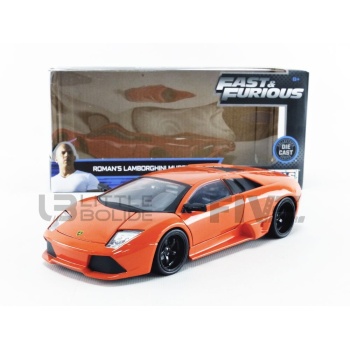
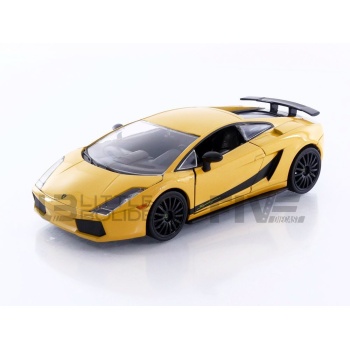
Tuning diecast models represent automotive culture at its most personal level — where factory vehicles are transformed into unique expressions of performance, stance and identity. From Japanese turbocharged imports to European OEM+ builds, from American lowriders to widebody track machines, modified cars celebrate creativity beyond factory specifications.
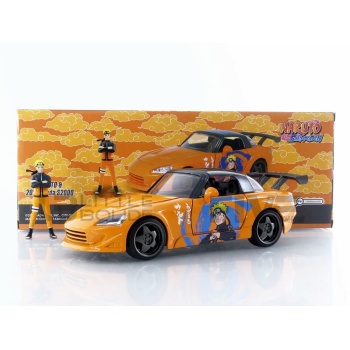
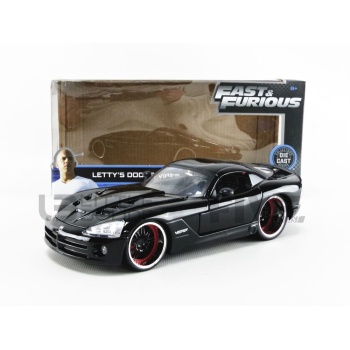
Manufacturers including Jada Toys, Hot Wheels, Tarmac Works and specialty producers preserve these customized vehicles with aftermarket wheels, aggressive aero kits, custom paint schemes, lowered suspension and performance upgrades. At Five Diecast, tuning car collecting appeals to enthusiasts who see vehicles as evolving creative platforms rather than finished products.
Japanese Tuning Heritage and JDM Culture
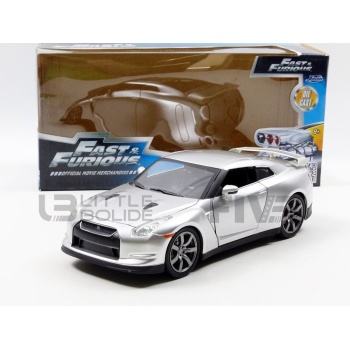
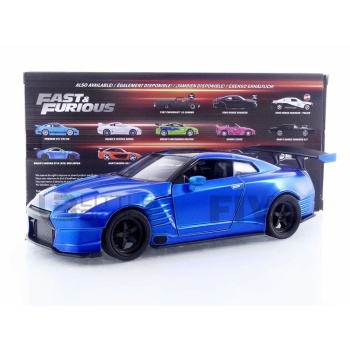
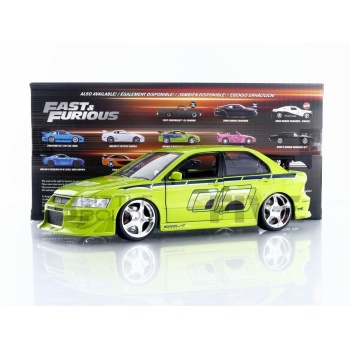
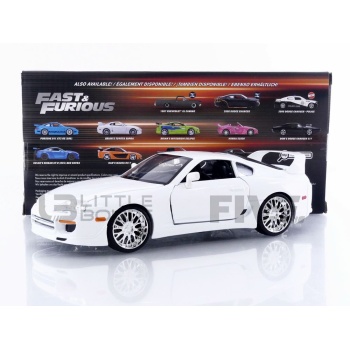
Japanese Domestic Market (JDM) tuning culture revolves around legendary platforms such as Nissan Skyline GT-R, Toyota Supra, Mazda RX-7, Honda NSX and Mitsubishi Lancer Evolution. Their turbocharged engines and strong aftermarket support created global modification communities.
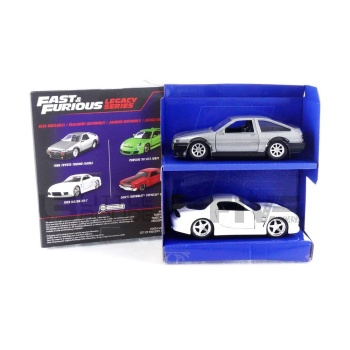
Diecast tuning replicas capture deep-dish wheels, aggressive camber, widebody conversions and performance-focused builds inspired by real tuning legends. Pop culture — including manga and anime such as Initial D — further elevated icons like the AE86 Trueno and RX-7 into global collector favorites.
Time Attack builds push modification toward pure performance, featuring stripped interiors, oversized aero components and track-ready setups. These tuning diecast models reflect motorsport-influenced customization rather than purely aesthetic expression.
European, American and Global Tuning Styles
European tuning often emphasizes refinement. Modified BMW, Mercedes, Audi and Volkswagen builds frequently follow an OEM+ philosophy — lowered stance, premium wheels and subtle aerodynamic enhancements that appear factory-developed.
Stance culture prioritizes extreme fitment, aggressive wheel offsets and visually dramatic setups. Tuning diecast models inspired by stance builds capture this modern social-media-driven car culture.
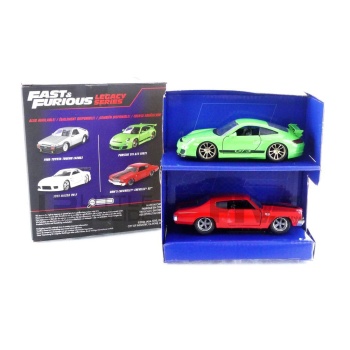
American muscle tuning focuses on horsepower and restomod philosophy. Classic Mustangs, Camaros and Challengers receive modern drivetrains, upgraded suspension and supercharged power, blending vintage design with contemporary performance.
Lowrider culture transforms vehicles into rolling artwork through hydraulic suspension systems, intricate paint finishes and chrome detailing. These diecast replicas document automotive personalization as artistic and cultural expression.
VIP style, originating in Japan, modifies executive sedans with lowered suspension, large multi-piece wheels and luxury-focused detailing — proving tuning culture extends beyond sports cars.
Tuning Diecast FAQs
Are tuning diecast models based on real builds?
Some tuning diecast models replicate specific real-world builds from well-known shops or competitive time attack cars. Others represent stylized interpretations inspired by popular modification trends.
How is tuning different from show car collecting?
Tuning focuses on performance modifications and street culture expression, while show cars emphasize exhibition presentation and concept design. For display-focused concept builds, explore our
Show Car diecast models
category.
Do tuning models hold value compared to stock replicas?
Limited edition replicas of culturally significant builds can appreciate in value. However, tuning models typically appeal to a more enthusiast-driven audience than factory-stock versions.