Read More
Celebrating Motorsport’s Most Versatile Discipline
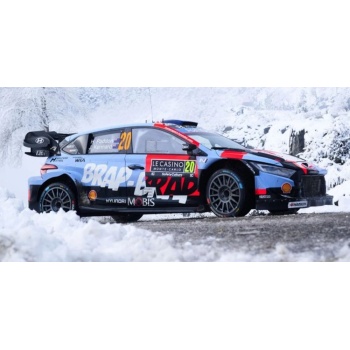
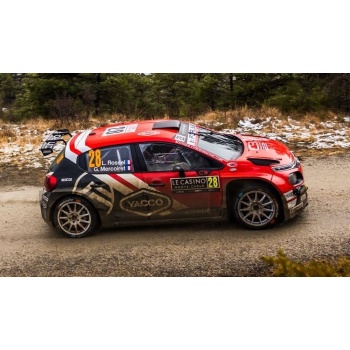
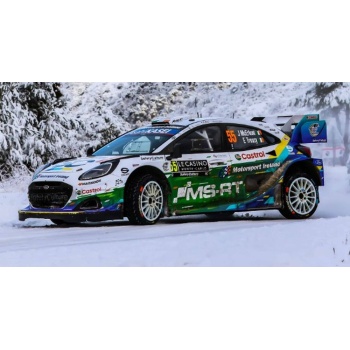
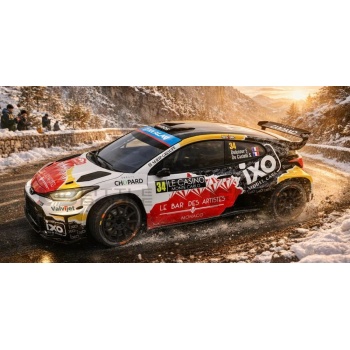
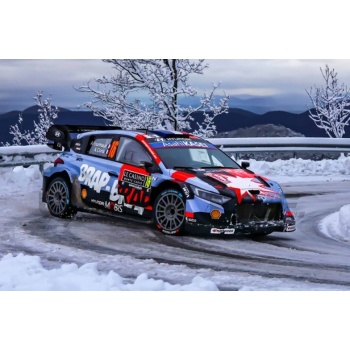
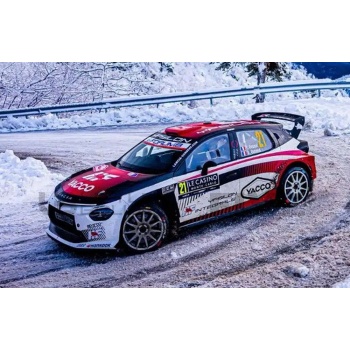
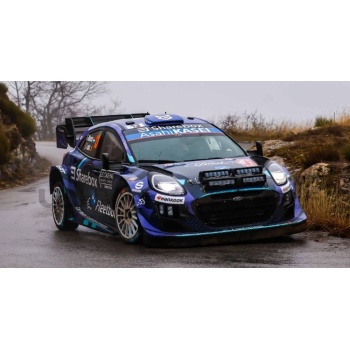
Diecast rally cars capture motorsport’s most unpredictable and demanding discipline. Rally racing forces cars and crews to compete across tarmac, gravel, snow, ice, mud, forests, mountains, and deserts — often within a single event. Unlike circuit racing’s controlled environment, rally unfolds on public roads where mistakes have no runoff areas. The machines built for this challenge combine advanced all-wheel drive, long-travel suspension, turbocharged power, and extreme durability. At Five Diecast, we curate rally replicas from Solido, IXO, Spark and other leading manufacturers, preserving legendary machines from Group B through modern WRC. You can also explore our complete
diecast racing cars collection
including Formula 1, Le Mans, GT racing, prototypes and US motorsport categories.
Group B – Rally’s Most Legendary Era
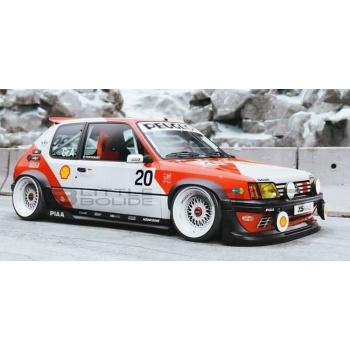
Group B (1982–1986) created the most extreme rally cars ever built. Minimal regulation allowed explosive development: Audi Quattro proved the dominance of all-wheel drive, Peugeot 205 T16 delivered mid-engine innovation, Lancia Delta S4 combined turbocharging and supercharging, while Ford RS200 and Metro 6R4 pushed radical engineering concepts. Producing over 500 horsepower in lightweight chassis, these cars were breathtaking — and ultimately too dangerous — leading to the category’s cancellation.
Collecting Group B diecast rally cars captures this dramatic and short-lived period. The aggressive aerodynamics, wide arches, and massive wings create visually spectacular displays. Because Group B lasted only four seasons, assembling a near-complete era collection remains achievable and highly rewarding.
Formula 1 diecast cars
World Rally Championship and Modern Evolution
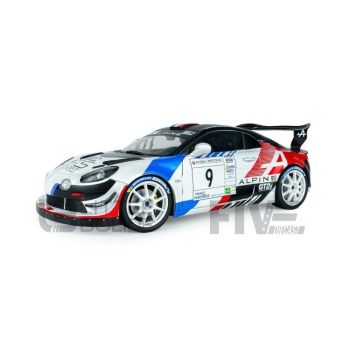
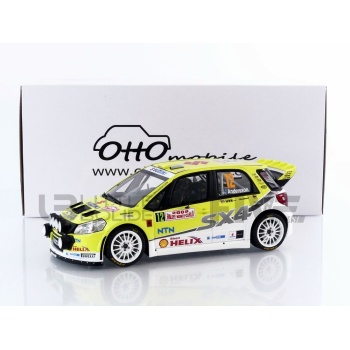
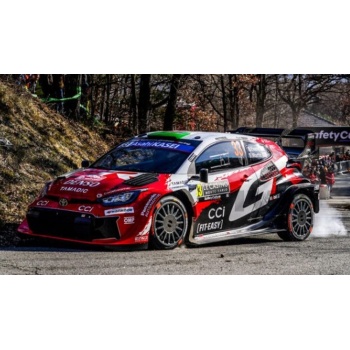
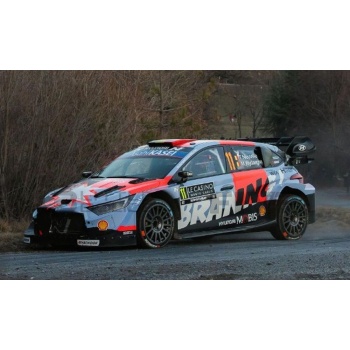
The World Rally Championship (WRC) defines modern rally competition. From Subaru vs Mitsubishi rivalries of the 1990s to Sébastien Loeb’s Citroën dominance and today’s Toyota, Hyundai, and Ford Rally1 hybrid machines, WRC documents constant technological progression.
Era-based collecting allows structured focus:
• Group A icons like Lancia Delta Integrale and Toyota Celica GT-Four
• World Rally Cars (1997–2016)
• WRC Plus (2017–2021)
• Rally1 hybrid regulations (2022–present)
Driver-focused collections follow legends such as Colin McRae, Tommi Mäkinen, Carlos Sainz, Sébastien Loeb, and Sébastien Ogier across manufacturers and championship campaigns, adding human narrative to mechanical evolution.
Event-Based and National Rally Collecting
Monte Carlo Rally, Safari Rally, Rally Finland, and Wales Rally GB each demand unique setups and driving styles. Event-specific collecting highlights how different terrain shapes car preparation and race outcome.
National championships add further diversity. British, French, and regional rally series showcase alternative cars and liveries, often featuring historic specifications or local heroes that resonate strongly with collectors.
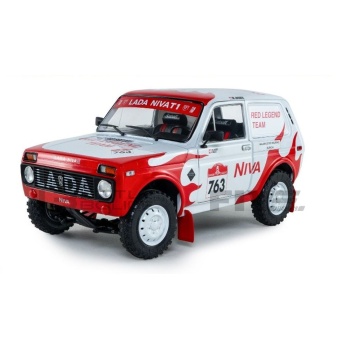
Dakar Rally and rally raid events represent endurance extremes — multi-thousand-mile competitions across deserts and hostile terrain. Collecting Dakar winners from Peugeot, Mitsubishi, Mini, or Toyota documents rally’s most grueling format.
Livery and Weathered Finish Appeal
Rally cars are uniquely photogenic due to their dramatic environments. Tobacco-era liveries like Rothmans, Marlboro, and 555 defined decades of rally aesthetics. Modern sponsorship has reshaped visual identity, but rally remains rich in graphic diversity.
Many diecast rally cars feature authentic race-finish detailing — mud splatter, gravel damage, worn tires, and minor body scuffs. These weathered versions reflect rally’s harsh reality and often appeal more strongly than pristine presentation models.
Rally Car Diecast FAQs
What makes rally models visually different from circuit racing cars?
Rally models include auxiliary lights, mud flaps, skid plates, roof scoops, gravel or snow tires, and greater suspension travel. Many show realistic dirt or race wear reflecting real-world rally conditions.
Should I focus on Group B or modern WRC?
Group B offers dramatic aesthetics and concentrated historical scope. WRC provides decades of evolution and broader model variety. Many collectors combine both for balance.
Do weathered models reduce value?
No. Race-finish versions are often more desirable because they replicate real event conditions. Preference depends on whether collectors favor pristine display or authentic competition realism.