Read More
Production-Based Racing Excellence in Collectible Form
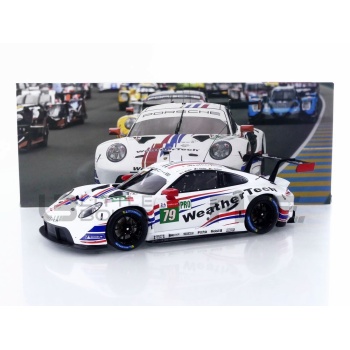
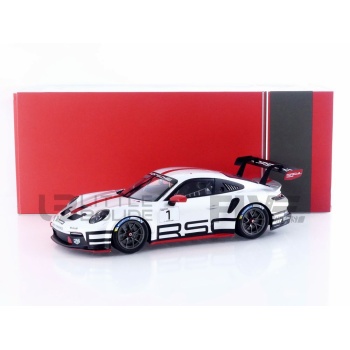
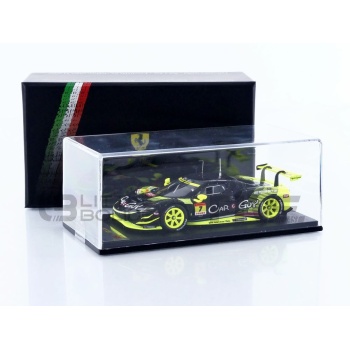
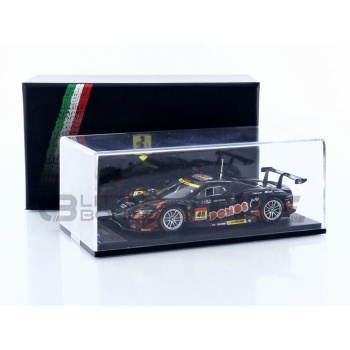
GT3 diecast racing cars represent the most successful formula in modern motorsport — production-based sports cars transformed into global competition machines. Unlike pure prototypes, GT3 race cars retain clear visual and mechanical DNA from road-going supercars, creating powerful emotional connections for enthusiasts. Porsche 911 GT3 R, Ferrari 488 and 296 GT3, Mercedes-AMG GT3, Lamborghini Huracán GT3, McLaren 720S GT3, BMW M4 GT3 and many others compete across continents. At Five Diecast, we curate collector-grade GT3 models from Spark, Minichamps, GT Spirit and specialized manufacturers, preserving the machines that bridge production and competition. You can also explore our full
diecast racing cars collection
including Formula 1, Le Mans, prototypes, rally and US racing categories.
Understanding GT3 Regulations and Manufacturer Diversity
GT3 regulations rely on Balance of Performance (BoP) to ensure parity between radically different mechanical layouts — rear-engine Porsche, mid-engine Ferrari and Lamborghini, front-engine Mercedes-AMG and Aston Martin. Aerodynamic modifications, racing suspension, sequential gearboxes, and safety systems convert road cars into machines capable of competing at Spa 24 Hours, Nürburgring 24 Hours, Bathurst 12 Hour, Daytona 24 Hours and other global endurance events.
From a collecting perspective, manufacturer diversity is GT3’s greatest strength. More than twenty brands have produced GT3 cars, each bringing distinct styling and philosophy. This variety creates visually dynamic collections where no two cars appear identical despite sharing the same category.
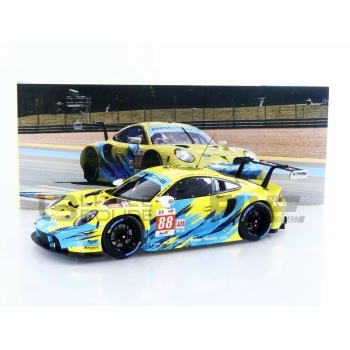
Customer racing programs define GT3’s identity. Manufacturers sell cars to privateer teams worldwide, resulting in deep grids and extraordinary livery diversity. The same Porsche 911 GT3 R may appear in dozens of team colors across championships. Spark, in particular, excels at producing multiple livery variations, allowing collectors to build race-specific or team-focused displays.
Strategic Approaches to GT3 Collecting
Championship-Based Collecting
GT World Challenge Europe, IMSA GTD, Asian GT, Australian GT and regional series provide structured collecting themes. Building grids from iconic seasons highlights manufacturer competition and sponsor diversity.
Manufacturer Heritage
Porsche GT3 programs span multiple chassis generations (997, 991, 992), showing technical evolution across years. Ferrari GT3 collections move from 458 to 488 to 296. Mercedes-AMG transformed from SLS GT3 to AMG GT GT3. Brand-focused collecting reveals how road car updates translate into racing development.
Endurance Event Winners
Spa 24 Hours, Nürburgring 24 Hours, Bathurst 12 Hour, Daytona and Sebring provide “greatest hits” collecting opportunities centered on major victories and special event liveries.
Livery and Sponsor Themes
Factory colors, national flag schemes, retro tribute liveries, and prominent sponsor programs create visually cohesive displays that emphasize graphic identity as much as mechanical engineering.
Driver and Team Collections
GT3 uniquely blends factory professionals with Pro-Am and gentleman drivers. Following specific teams or drivers across seasons creates personal narratives within the broader competitive landscape.
Collector Scales
1:43 scale dominates GT3 diecast racing cars collecting due to availability and the ability to build large grids.
1:18 scale provides greater display presence and detailed bodywork for centerpiece models.
1:64 scale suits collectors prioritizing space efficiency.
GT3 Diecast Racing Cars FAQs
What differentiates GT3 from GT4 or GTE?
GT3 represents the top performance tier for production-based racing with extensive aero, power upgrades, and global participation. GT4 is more restricted and cost-controlled. GTE (formerly GT2) was a professional endurance category largely replaced by GT3 in modern series.
Why are there so many livery variations?
GT3’s customer racing model allows independent teams to compete using unique sponsor liveries. Major events may feature fifty or more GT3 entries, each with distinct graphics — creating exceptional variety for collectors.
Is it better to collect one manufacturer or multiple?
Single-brand collections provide depth and technical evolution insight. Multi-brand collections capture GT3’s defining characteristic: diversity and close competition between radically different platforms.