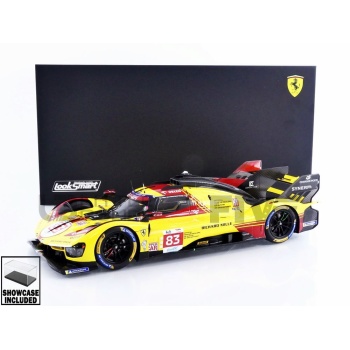
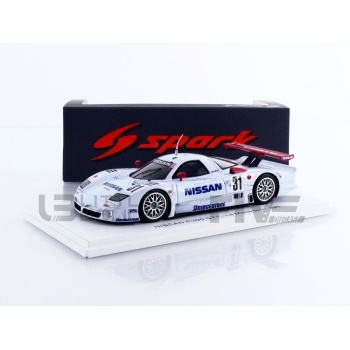
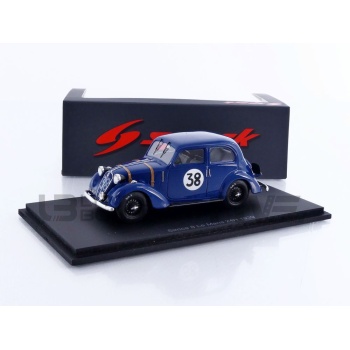
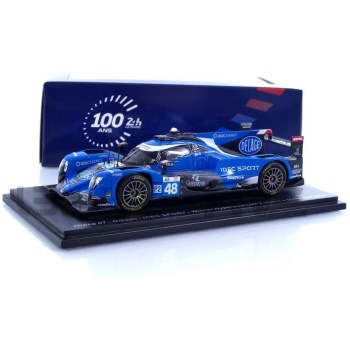
Read More
Celebrating Endurance Racing’s Most Legendary Competition
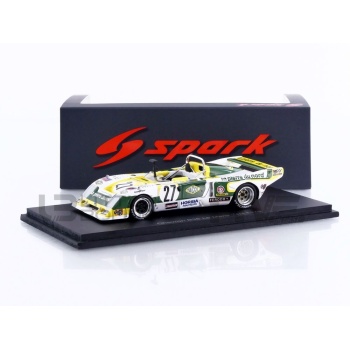
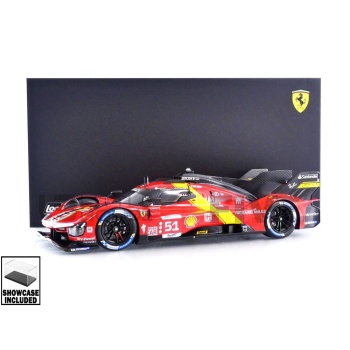
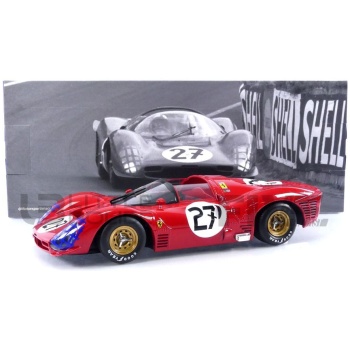
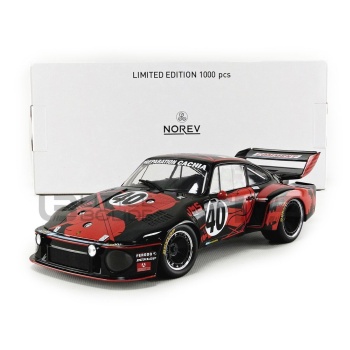
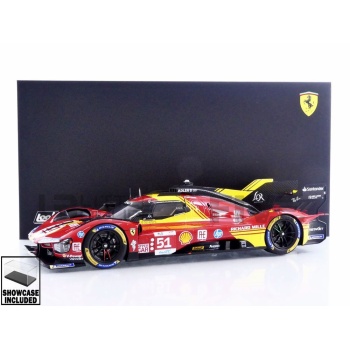
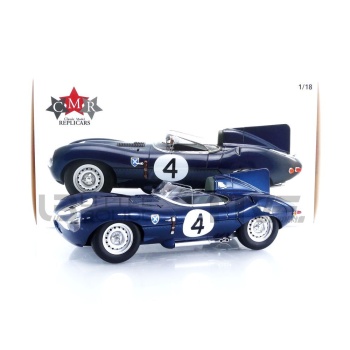
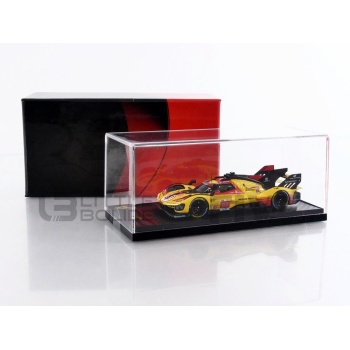
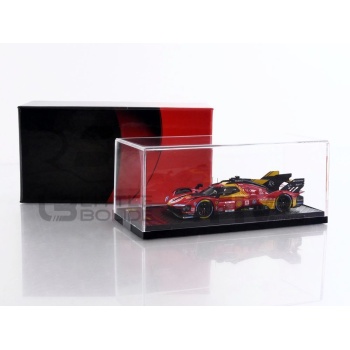
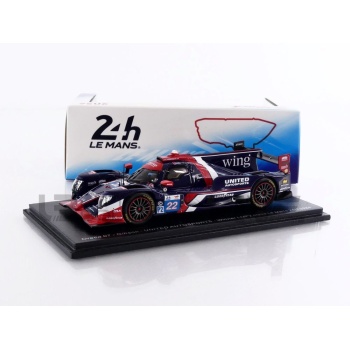
Diecast Le Mans models celebrate endurance racing’s most iconic event: the 24 Hours of Le Mans. For over a century, this race has demanded not just outright speed, but mechanical durability, strategic brilliance, and human resilience across a full day and night of competition. At Five Diecast, our curated selection of Le Mans replicas captures overall winners, class champions, historic rivalries, and revolutionary designs from every major era. You can also explore our complete
diecast racing cars collection
to discover Formula 1, GT racing, rally, prototypes, and US motorsport categories.
Understanding Le Mans Categories and Their Collecting Significance
Overall winners represent the pinnacle of Le Mans collecting. These cars conquered the entire field to claim outright victory. Porsche’s seventeen overall wins, Ford’s legendary 1960s triumph over Ferrari, Audi’s hybrid-era dominance, and Toyota’s modern success define generations of endurance racing. Collecting overall winners creates a “greatest champions” narrative that celebrates undisputed achievements at the Circuit de la Sarthe.
Class winners broaden the historical scope while offering equally compelling stories. GT-class victories highlight production-based racers like Porsche 911s, Chevrolet Corvettes, Ferrari 488s, and Ford GTs — cars that maintain visible DNA from road-going models. These entries create stronger emotional connections for many collectors while preserving authentic race specifications and liveries.
Era-specific collecting tracks Le Mans through its regulatory transformations. Group C prototypes (1982–1993) delivered ground-effect streamliners from Porsche, Jaguar, Mercedes-Benz, and Mazda. The late-1990s GT1 period produced exotic homologation specials such as the Porsche 911 GT1 and Toyota GT-One. The LMP1 hybrid era pushed efficiency and power beyond road-car imagination, while today’s Hypercar category reintroduces manufacturer diversity with Ferrari, Toyota, Porsche, and others competing at the top level.
Building Strategic Le Mans Collections
Manufacturer-focused collections trace brand heritage across decades. Porsche offers unmatched depth, spanning early 904s and 917s through Group C dominance and modern hybrid prototypes. Ferrari collections stretch from early prototypes to contemporary Hypercar entries. Ford’s GT40 campaign and 2016 GTE victory create compact but emotionally powerful collecting themes.
Rivalry-based collecting adds competitive drama. Ford versus Ferrari in the 1960s remains motorsport’s most celebrated corporate battle. Porsche versus Audi defined 2000s endurance racing. Modern Hypercar rivalries continue to evolve. These approaches create narrative tension beyond simple chronological displays.
Livery-focused collections emphasize visual continuity. Gulf Oil’s blue and orange, Martini Racing stripes, Rothmans’ white and blue, and Silk Cut’s purple Jaguars transcend specific seasons. These sponsor identities connect cars across decades, creating striking visual cohesion in display cases.
Collector Scales for Diecast Le Mans
1:43 scale remains the most popular for diecast Le Mans collecting, offering detailed accuracy while allowing comprehensive multi-year collections.
1:18 scale provides greater presence and enhanced detail for centerpiece models.
1:64 scale suits collectors prioritizing space efficiency or large grid representations.
Le Mans Diecast FAQs
How do I identify the exact race year of a model?
Check the base plate, packaging, and race number details. Sponsor variations, driver names, and event-specific markings help confirm the exact 24 Hours of Le Mans edition represented.
Are GT-class Le Mans models as collectible as overall winners?
Yes. While overall winners carry prestige, GT-class cars often provide greater variety and stronger connection to production vehicles, making them equally rewarding within serious collections.
What influences long-term value?
Limited production numbers, historical importance, manufacturer reputation, and iconic liveries typically determine collectibility more than scale alone.