Read More
The Pinnacle of Motorsport in Precision Miniature
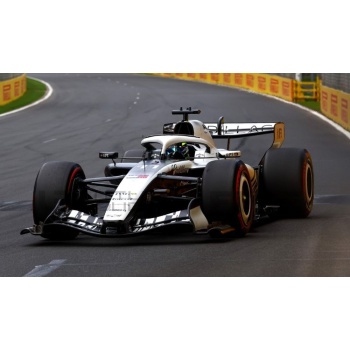
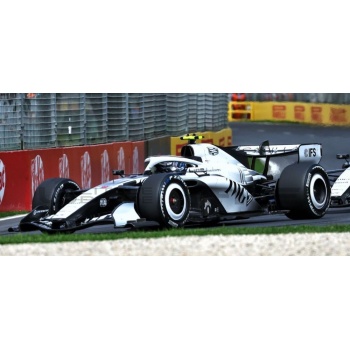
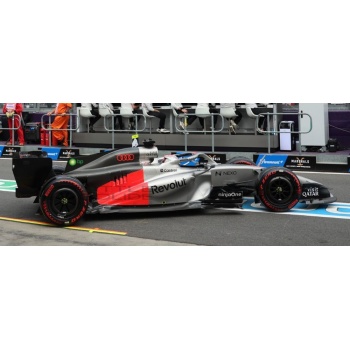
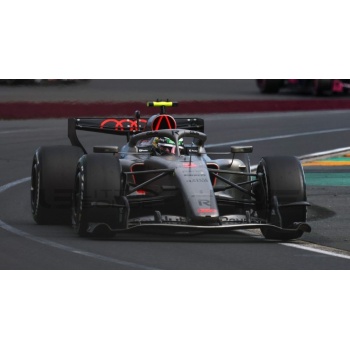
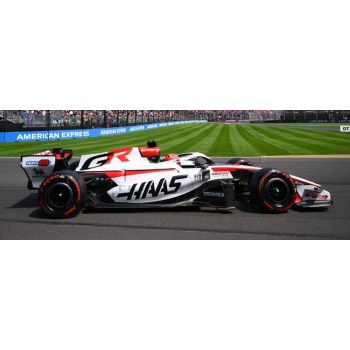
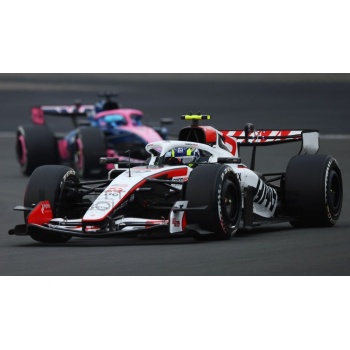
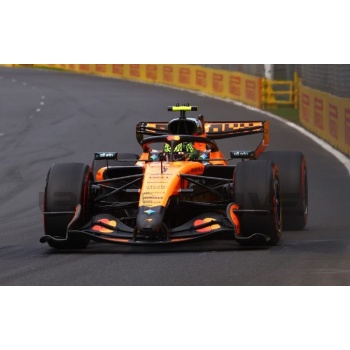
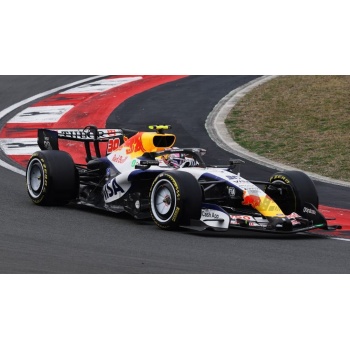
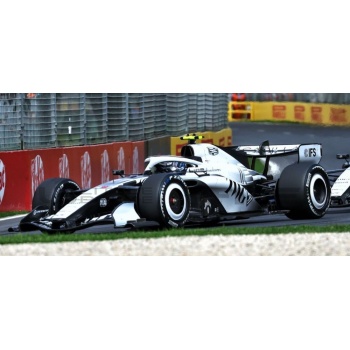
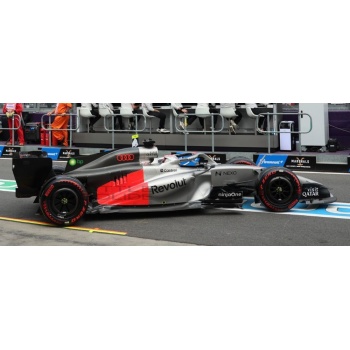
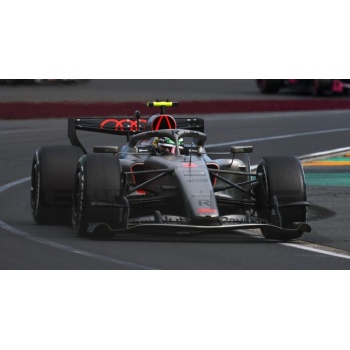
Diecast Formula 1 models represent the absolute zenith of automotive engineering in collectible form. From turbocharged monsters of the 1980s to today’s hybrid power units exceeding 1,000 horsepower, Formula 1 continuously redefines what is technically possible. Each season introduces aerodynamic evolution, regulatory shifts, and engineering breakthroughs measured in thousandths of a second. At Five Diecast, we curate collector-grade F1 replicas from leading manufacturers including Spark, Minichamps, and BBR, preserving championship-winning machines and historically significant liveries. You can also explore our complete
diecast racing cars collection
BBurago Formula 1 Diecast
featuring Le Mans, GT racing, rally, prototypes, and US motorsport.
F1 Model Manufacturers and Quality Tiers
Spark dominates contemporary Formula 1 production, particularly in 1:43 scale, through official partnerships with teams and FIA. Their comprehensive coverage ensures every car from modern seasons receives accurate reproduction, including mid-season upgrades and special liveries. Spark’s commitment to detail allows collectors to build full championship grids with confidence.
Minichamps brings decades of experience documenting Formula 1 history from the 1950s onward. Their catalog spans the cigar-shaped early cars, ground-effect pioneers of the late 1970s, turbocharged 1980s machines, V10-era icons, and the modern hybrid era. Available in both 1:43 and 1:18, Minichamps models balance historical depth with reliable quality.
BBR and Looksmart serve premium collectors seeking exceptional craftsmanship. With limited production runs, refined paint finishes, photo-etched components, and accurate carbon fiber textures, these models represent the highest tier of diecast Formula 1 collecting.
Strategic Approaches to Formula 1 Collecting
Championship Season Collections
Building a complete season grid creates a three-dimensional narrative of the sport. Seeing all teams represented — frontrunners, midfield contenders, and developing teams — highlights regulation changes and technical convergence across the grid.
Era-Based Collecting
The turbocharged 1980s, V10 era (1995–2005), and hybrid era from 2014 onward each present distinct visual and technical identities. Focusing on a specific era creates thematic cohesion while keeping scope manageable.
Driver Career Collections
Following legends such as Ayrton Senna, Michael Schumacher, Lewis Hamilton, or Max Verstappen across teams and seasons adds a human narrative to technical excellence. Milestone liveries and championship-winning cars often become centerpiece pieces.
Constructor Heritage
Ferrari’s uninterrupted presence since 1950, McLaren’s multiple championship eras, Williams’ engineering innovation, Mercedes’ hybrid dominance — each team offers rich collecting depth that reveals design philosophy and competitive cycles.
Livery and Sponsor Themes
Marlboro red-and-white McLarens and Ferraris, John Player Special black-and-gold Lotuses, Rothmans Williams, Gulf-liveried entries — sponsor aesthetics transcend seasons and create visually powerful displays across eras.
Collector Scales
1:43 remains the most popular scale for diecast Formula 1 collecting due to space efficiency and comprehensive availability.
1:18 offers enhanced presence and detail, ideal for championship winners and flagship releases.
Sparky 1:64 F1 Models
Formula 1 Diecast FAQs
Race version vs presentation version?
Race versions replicate cars exactly as they finished a specific Grand Prix, sometimes including subtle wear or race-specific configurations. Presentation versions show pristine launch condition. Both appeal depending on display philosophy.
Should I collect current or historical F1 models?
Current-season collecting ensures availability and allows complete grid builds. Historical collecting captures iconic eras and legendary battles. Many collectors combine both strategies for balance.
What drives long-term collectibility?
Limited production numbers, championship significance, manufacturer quality, and iconic liveries generally determine demand and value over time.