


- Expected to ship on 9 days
- Expected to ship on 9 days
- Expected to ship on 9 days
- Expected to ship on 9 days
- Expected to ship on 9 days
- Expected to ship on 9 days
- Expected to ship on 9 days
- Expected to ship on 9 days
- Expected to ship on 9 days
- Expected to ship on 9 days
- Expected to ship on 9 days
- Expected to ship on 9 days
- Expected to ship on 9 days
- Expected to ship on 9 days
- Expected to ship on 9 days
Mini Helmets: Iconic Driver Liveries in Precision-Scaled Collectibles
Read More
← Back to Diecast Model Car Accessories
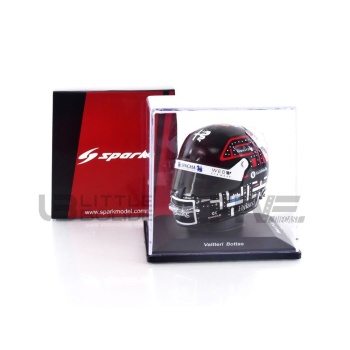
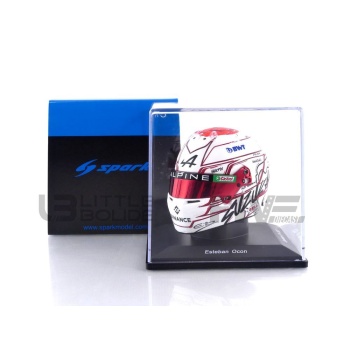
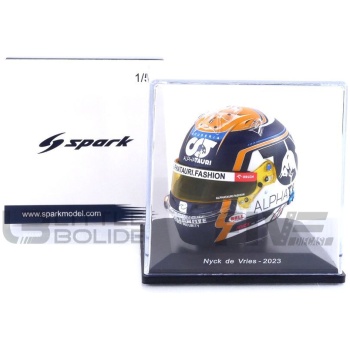
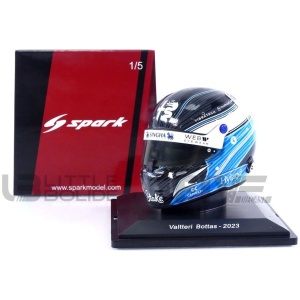
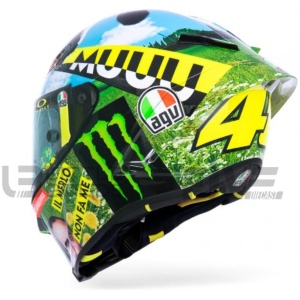
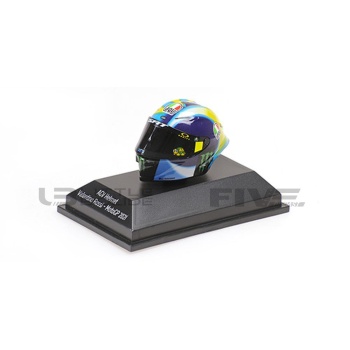
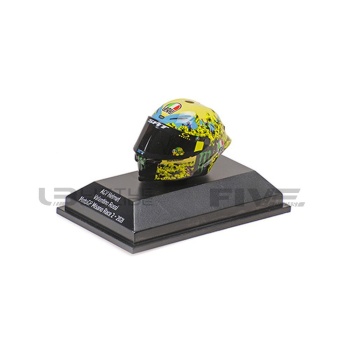
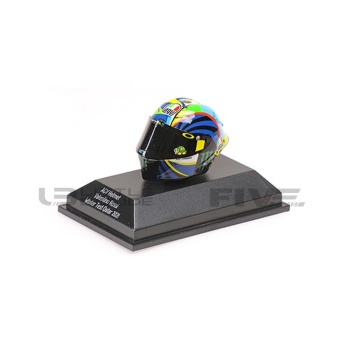
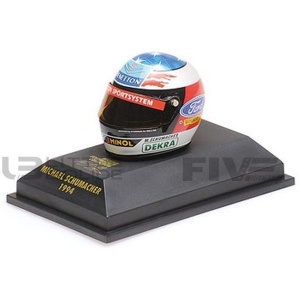
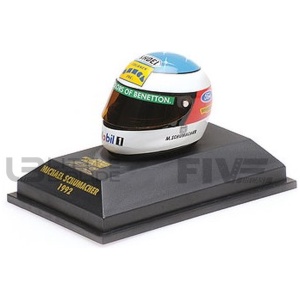
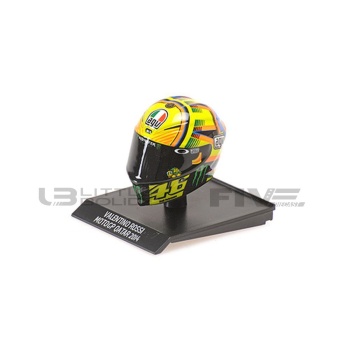
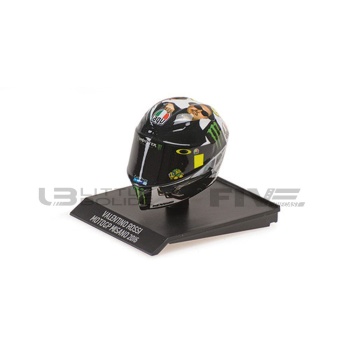
Racing helmets transcend protective equipment to become deeply personal expressions of driver identity, team affiliation, and individual style. A driver’s helmet design often becomes more recognizable than their face; Ayrton Senna’s yellow and green, Valentino Rossi’s sun and moon, Dale Earnhardt’s iconic black intimidator design. Mini helmets preserve these legendary liveries in meticulously detailed replicas that allow collectors to celebrate driver achievements alongside their Formula 1 models from Spark, NASCAR diecast, or rally car collections from Solido. At Five Diecast, we recognize that mini helmets represent a distinct collecting category that complements vehicle collections while standing as worthy collectibles in their own right.
Understanding Mini Helmet Scales and Construction Quality
The 1:2 scale dominates premium mini helmet production, creating replicas approximately 5-6 inches tall that capture extraordinary detail while remaining display-friendly. This scale allows manufacturers to reproduce intricate sponsor logos, driver signatures, race-specific variations, and subtle color transitions that define iconic helmet designs. Premium manufacturers like Bell, Riddell, and specialized producers employ multiple manufacturing techniques; pad printing for sharp graphics, hand-painting for complex transitions, authentic visor materials with proper tinting, and accurate helmet shape profiles matching actual racing helmet models used by drivers.
Construction quality separates collector-grade mini helmets from promotional merchandise. Premium replicas feature accurate helmet shell proportions matching specific manufacturers; an Arai-style shell for drivers who wore Arai helmets, Bell profiles for Bell users. Visor mechanisms often function, allowing collectors to display helmets with visors up or down. Interior details including padding, retention systems, and even miniature HANS device attachment points add authenticity that serious collectors appreciate. The weight and feel of quality mini helmets communicate substantial craftsmanship; these aren’t hollow promotional items but properly engineered scale replicas.
Limited edition releases and race-specific variants create collecting depth within the mini helmet category. Drivers frequently modify helmet designs for significant races; championship celebrations, home country events, tribute designs honoring retiring colleagues, or special liveries supporting causes. Manufacturers release corresponding limited edition mini helmets commemorating these one-off designs. Formula 1 collectors particularly value Monaco Grand Prix special editions, championship-winning season helmets, and final race tribute designs. These limited releases often appreciate significantly, making them both personally meaningful collectibles and sound investments.
Integrating Mini Helmets Into Comprehensive Motorsport Collections
Pairing mini helmets with corresponding driver diecast models creates powerful thematic displays. A collector owning Spark’s replica of Lewis Hamilton’s championship-winning Mercedes benefits enormously from displaying Hamilton’s helmet alongside the car. This pairing tells complete stories; not just the vehicle’s technical excellence, but the human achievement and personal style of the driver who piloted it to victory. Racing car collections gain narrative depth when viewers can connect specific liveries and sponsor packages on cars with the driver’s personal helmet design, understanding how team colors translated to both vehicle and personal equipment.
Era-specific helmet collections document technological and cultural evolution in motorsport safety equipment. Early mini helmets replica designs from the 1960s and 70s show open-face configurations with minimal graphics, reflecting both primitive safety standards and simpler sponsorship environments. Helmets from the 1980s demonstrate the transition to full-face designs with increasingly complex graphics as sponsor money flooded racing. Modern helmet designs showcase sophisticated aerodynamic profiles, advanced ventilation systems, and sponsor-dense liveries reflecting motorsport’s commercial maturity. Collecting across eras creates visual timelines showing how driver protection evolved alongside the sport itself.
Team and manufacturer collections offer alternative organizing principles. Ferrari enthusiasts might collect helmets from legendary Scuderia drivers spanning decades; from Niki Lauda and Gilles Villeneuve through Michael Schumacher and Fernando Alonso to Charles Leclerc and Carlos Sainz. This approach creates continuity narratives showing how team colors and sponsor relationships evolved while maintaining consistent Ferrari identity. Alternatively, collectors focused on specific helmet manufacturers like Arai or Bell might pursue examples across different racing series, celebrating the manufacturer’s contribution to driver safety and their iconic designs across motorsport disciplines.
Championship season collections focus on title-winning campaigns. A collector might assemble all helmets from drivers who competed for a specific Formula 1 championship; say, 1976 (Hunt vs. Lauda), 1988 (Prost vs. Senna), or 2021 (Verstappen vs. Hamilton). These collections capture complete competitive narratives, showing not just the champion but their rivals, teammates, and supporting cast. Combined with corresponding diecast models from those seasons, these displays become comprehensive tributes to specific championship battles.
Mini Helmets FAQs
What makes a mini helmet valuable to collectors?
Value derives from multiple factors working in combination. Driver significance matters most; helmets representing legendary drivers like Ayrton Senna, Michael Schumacher, or Dale Earnhardt command premiums regardless of specific design. Rarity through limited production runs increases value, particularly for race-specific designs produced in quantities under 1,000 pieces. Authentication adds substantial value; helmets personally signed by drivers or accompanied by certificates of authenticity from official manufacturers trade at significant premiums over unsigned examples. Historical significance elevates certain helmets; championship-winning seasons, record-breaking performances, or tribute designs gain value beyond purely aesthetic considerations. Construction quality matters too; premium manufacturers using authentic materials and accurate scaling maintain value better than budget replicas.
Should I keep mini helmets in their original packaging?
This decision depends on your collecting philosophy and space constraints. Keeping helmets sealed in original packaging maximizes potential resale value, particularly for limited editions likely to appreciate. Original packaging also provides excellent dust protection and secure storage. However, displayed helmets offer far superior visual impact and allow you to actually enjoy the detail and craftsmanship you’ve paid for. Many serious collectors compromise; keeping the most valuable or rarest pieces sealed while displaying representative examples they handle and rotate. If displaying, invest in quality cases with UV protection to prevent paint fading and dust accumulation. Document your collection photographically regardless of storage method for insurance purposes.
How do I verify authenticity of collectible mini helmets?
Authentic collectible mini helmets include several verification elements. Official manufacturers provide certificates of authenticity detailing production numbers, driver authorization, and licensing agreements. Examine helmet quality; premium replicas show crisp graphics, accurate color matching, proper scaling, and substantial construction. Research the specific helmet’s production history through manufacturer websites or collector forums. Compare your helmet against verified examples in online databases or collector communities. Be particularly cautious with signed helmets; verify signature authenticity through reputable authentication services if spending significant money. Purchase from established retailers like Five Diecast rather than unverified secondary market sources. Original packaging, holograms, and manufacturer tags provide additional authenticity indicators, though sophisticated counterfeits sometimes replicate these elements.



Shopping Cart