


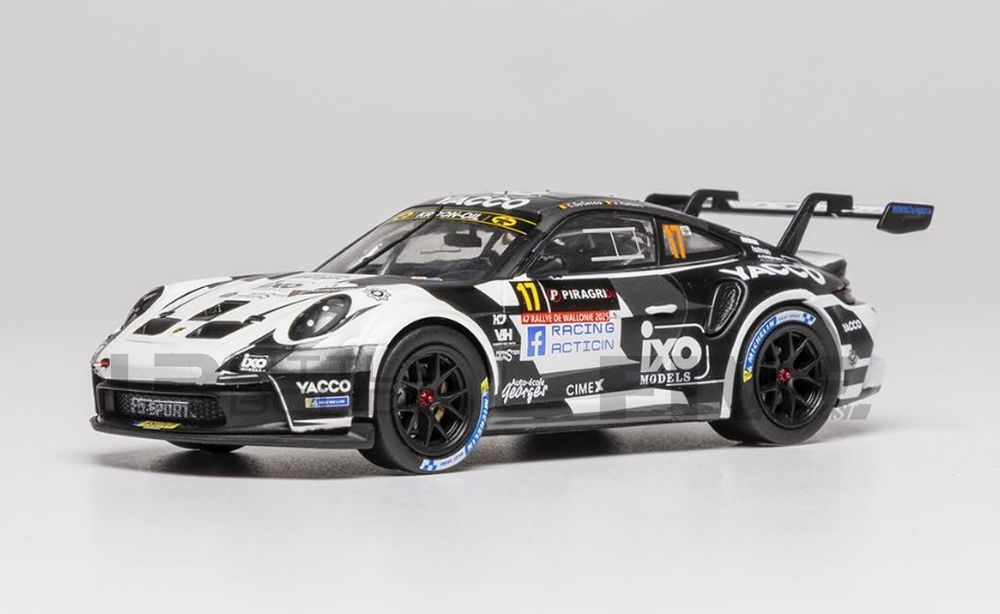
Two collectible model cars can look almost identical in a product photo. They may share the same scale, the same body shape, and even the same color family, but one feels right the moment it lands on a shelf. The other looks fine for a week, then slowly starts to feel like a placeholder.
That difference is what serious collectors learn to notice. A model does not become meaningful only because it is rare, expensive, or tied to a famous car. It becomes meaningful because the scale, finish, brand, story, and display value work together in a way that makes the piece feel intentional.
A strong collection is not built by buying every interesting model. It grows through better judgment. The real question is not whether a model looks good for a moment, but whether it will still feel worth displaying after the first excitement fades.
Collectible Model Cars Earn Their Place Before They Fill a Shelf
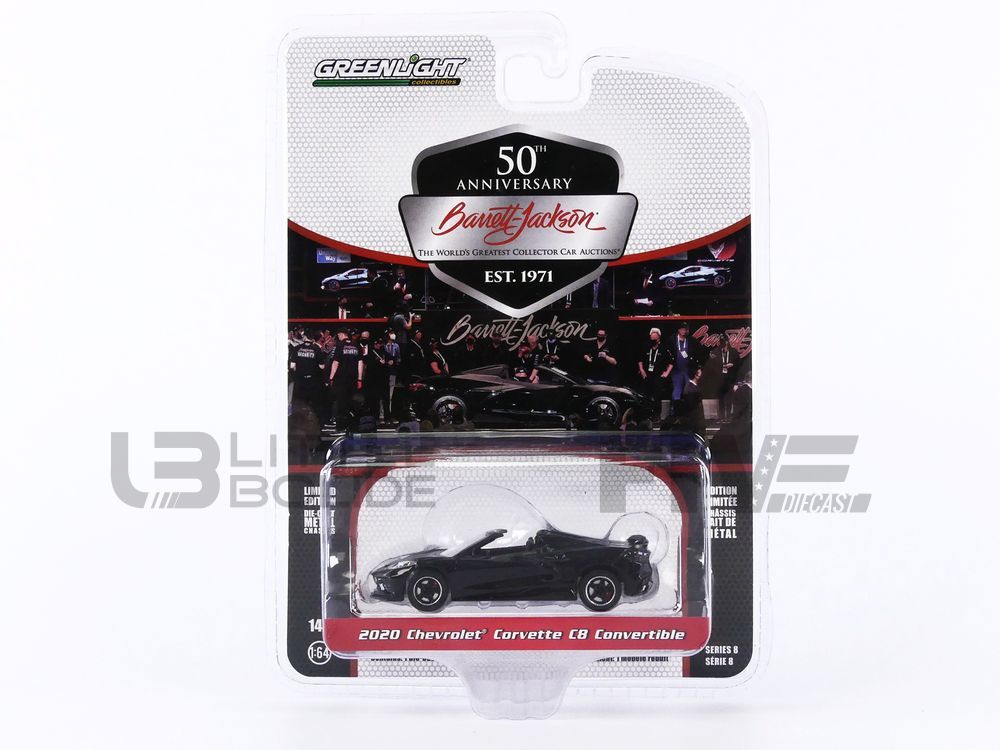
That is where collectible model cars become different from casual purchases. The broader collector culture around diecast cars shows why the strongest pieces are often judged by more than rarity or price. A collector may be drawn to Le Mans cars, Formula 1 seasons, European road cars, movie vehicles, or one favorite manufacturer, but the model still needs to feel connected to a larger direction.
A shelf with ten well-chosen pieces can feel stronger than a shelf with forty unrelated ones. This does not mean every collection needs strict rules or a perfect theme. It means the best models usually have a reason for being there, whether that reason is scale, memory, racing history, brand loyalty, or visual presence.
Five Diecast supports that kind of collecting because the shop is organized around real collector behavior. Models can be approached by category, scale, manufacturer, and style instead of being treated like one large mixed catalog. That makes it easier to compare collectible model cars in a way that reflects how they will actually live on a shelf.
Scale Changes How Collectible Model Cars Feel on Display
Scale is one of the first details collectors check, but it is also one of the easiest to underestimate. A 1/18 model and a 1/43 model can represent the same car, yet they create a completely different experience in a room. One asks for space and attention, while the other makes it easier to build a grid, a racing era, or a larger theme without crowding the display.
Collectible model cars in larger scales tend to carry more visual weight. A 1/18 road car can show body lines, wheels, interior details, and paint depth in a way that makes the model feel closer to a centerpiece. A 1/43 racing car may feel smaller, but it can be perfect for collectors who want several cars from the same race, team, season, or manufacturer.
That is why scale should be understood as part of collecting style, not only as a measurement. The long history of scale models shows how miniature vehicles have always carried more meaning than size alone. A collector with a compact display case may get more satisfaction from a carefully built 1/43 lineup than from two large models competing for attention.
Collectible scale model cars work best when the scale supports the collector’s habits. Someone who enjoys comparing liveries, drivers, and race years may prefer smaller formats. Someone who wants a model to stand alone with stronger detail may feel more at home with 1/18 or even larger centerpiece scales.
Brand Quality Shows Up in the Details Collectors Notice Later
The first impression of a model often comes from the car itself. A Porsche 911, Ferrari prototype, McLaren F1 GTR, Corvette racer, or classic road car already carries emotion before the miniature is even judged. The second impression comes later, when the collector notices paint finish, stance, wheel shape, interior accuracy, badging, livery alignment, and how the model looks under normal room light.
That second impression is where brand quality matters. A model does not need to be the most expensive option to feel satisfying, but it should feel deliberate. Collectors often build trust with certain manufacturers because those brands tend to handle specific categories well, whether that means racing replicas, accessible 1/18 road cars, European classics, or Formula 1 models.
Spark, Minichamps, Solido, Norev, GT Spirit, Autoart, Bburago, Mini GT, and other manufacturers all speak to different kinds of collectors. Some are chosen for motorsport accuracy, some for display value, some for affordability, and others for premium detail. The smarter decision is not always choosing the most expensive model, but choosing the brand that fits the car and the collector’s expectations.
That matters when comparing collectible diecast model cars across similar prices. Two models may represent equally exciting vehicles, yet one may have better proportions, cleaner finish, or a stronger reputation within that specific category. Those details can decide whether a model feels like a lasting part of the collection or a purchase that gets replaced later.
A Strong Model Connects to a Real Car Story
Some models hold attention because the real car behind them already means something. A Le Mans entry may carry endurance racing history, a Formula 1 model may recall a particular season, and a road car may connect to childhood, family, movies, or the first time someone noticed a certain marque. The story gives the miniature a reason to stay interesting.
Collectible model cars with a strong story often age better inside a collection. The model is not only a scaled object with paint and wheels. It becomes a way to keep a race, a driver, a car design, or a personal memory visible in everyday space.
This is why a collector may choose one model over another even when the technical quality is similar. A Ferrari 499P means something different from a classic Ferrari road car, just as a Porsche GT3 racer feels different from a road-going 911. The car’s identity shapes the way the model is understood.
That does not mean every purchase needs a deep backstory.
Sometimes the connection is simple: the color is right, the shape feels iconic, or the car belongs beside models already on the shelf. Still, the strongest collectible model cars usually carry some kind of story that makes them harder to move aside.
Collectible Model Cars for Sale Should Be Judged by Fit, Not Just Availability
Seeing collectible model cars for sale can create quiet pressure. A release may look limited, a scale may be hard to find later, or a certain manufacturer may not keep the same model available for long. That pressure can push collectors toward buying because something is available, not because it truly fits.
Availability matters, but fit matters more. A model should make sense with the collector’s preferred scale, display space, quality expectations, and overall direction. If a piece only feels attractive because it might disappear, it may not carry the same satisfaction once it arrives.
The better question is whether the model still feels right after the urgency is removed. Does it belong with the rest of the collection? Does the scale make sense? Does the brand have the right reputation for this type of car? Does the model add something meaningful instead of repeating a piece already on the shelf?
That is the kind of judgment that turns shopping into collecting. Checking new releases can help collectors see what is available now, but the goal is not to buy faster. The goal is to choose with more confidence.
The Best Collections Have a Point of View
A collection does not need to be large to feel serious. Some of the strongest displays are built around a clear idea: Le Mans winners, Formula 1 champions, Porsche racing cars, classic American muscle, French road cars, movie vehicles, or one preferred scale. The models feel connected before the viewer even reads the details.
That point of view can grow naturally over time. A collector might begin with one favorite car, then add models from the same manufacturer, race, decade, or category. Another collector may start with 1/64 models because they are compact, then move into 1/18 pieces for cars that deserve more visual attention.
Collectible model cars become more satisfying when each new piece strengthens the display instead of distracting from it. A focused collection gives every model more room to matter. It also makes future choices easier because the collector has a clearer sense of what belongs.
This does not mean collecting should feel restrictive. Taste changes, new releases appear, and unexpected models can still earn a place. The point is not to build a perfect system, but to create a collection that feels personal enough to guide the next decision.
Choose Models That Still Feel Right After the First Look
A strong model earns its place through more than first impression. Scale, finish, manufacturer quality, car story, and display fit all shape whether a piece continues to feel worthwhile. The best collectible model cars are the ones that still make sense after the excitement of buying has passed.
Collectors do not need to build the perfect shelf right away. Good collections grow through sharper taste, better comparisons, and a clearer sense of what feels right in person. Each thoughtful choice makes the next one easier.
For collectors ready to compare options with that mindset, Five Diecast offers collectible model cars across racing cars, road cars, movie vehicles, accessories, and multiple scales. Browse the shop by category, scale, or collecting style, and choose the models that feel like they belong in your collection.
Explore diecast model cars: