



Custom diecast cars are model vehicles that represent modified, personalized, restored, tuned, or show-style builds instead of strictly factory-standard cars. For collectors, the appeal usually comes from stance, paint, wheels, body kits, race-inspired details, restoration work, or a visual attitude that a regular production model may not carry.
That does not mean every modified model belongs in every collection. A lowered JDM coupe, widebody supercar, lowrider, custom pickup, or tuning-inspired road car can look exciting in photos but still feel out of place on a shelf. The model needs a reason to fit.
At Five Diecast, we see modified collecting as a question of taste and direction. The strongest custom pieces do not simply look different. They help a collection say something clearer about car culture, personal style, or the kind of models the collector wants to live with.
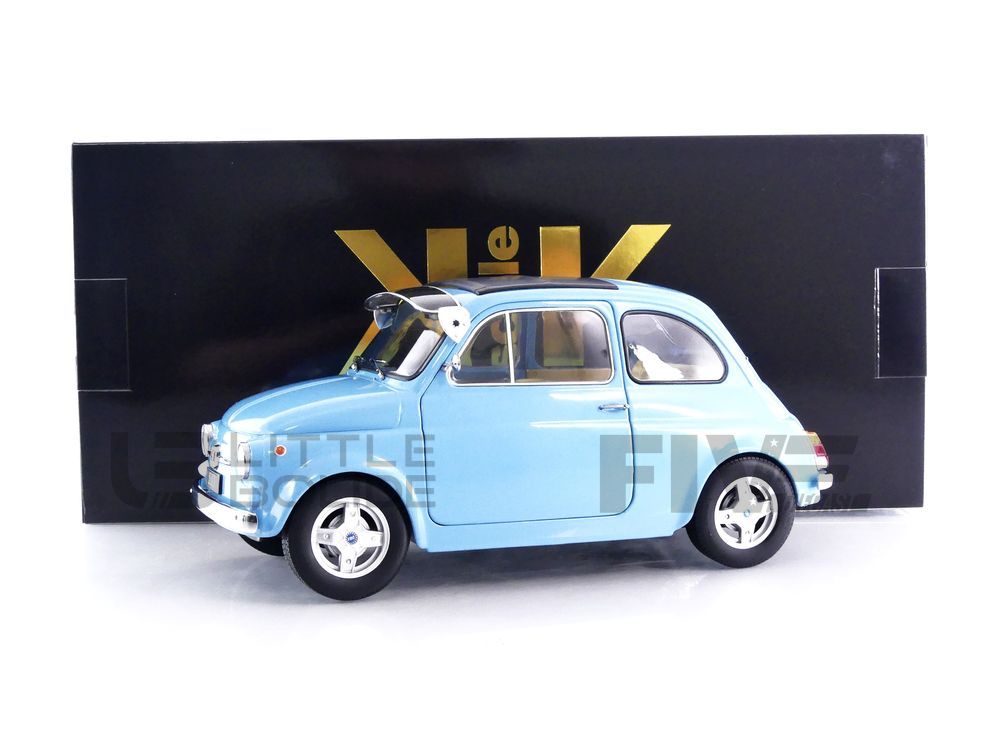


What makes a custom model different from a factory replica?
Custom diecast cars differ from factory-accurate replicas because they are not always trying to show a vehicle exactly as it left the manufacturer. Some represent real modified builds. Others capture tuning culture, exhibition cars, custom paint, aftermarket wheels, lowered stance, or performance-inspired styling.
A factory replica often appeals because it preserves the original car. A custom model appeals because it shows what happens when the car becomes a platform for personality. That difference changes how the model should be judged.
Accuracy still matters, but it is not always the same kind of accuracy. A custom model may be judged by whether the stance looks convincing, whether the wheel choice fits, whether the paint has depth, and whether the modifications feel believable.
Modified style can strengthen a shelf
Custom diecast cars can give a collection more energy when the display already includes road cars, tuner cars, lowriders, street builds, or performance-focused themes. A shelf made only of factory cars can sometimes feel clean but predictable. One modified piece can add contrast.
That contrast works best when it has context. A custom RX-7, Skyline, Supra, Mustang, Porsche, or lowrider makes more sense when it sits near related cars. It may connect through brand, era, culture, colour, or scale.
The point is not to add the loudest model. The point is to add a model that changes the shelf in a way that feels intentional.
Tuning culture gives models a different kind of identity
Custom diecast cars often connect to tuning culture, where the real car is treated as something that can evolve. Wheels, suspension, aero, paint, graphics, interior details, and performance cues all become part of the car’s personality.
That makes tuning diecast cars different from standard road-car replicas. They are usually not about preserving the original showroom version. They are about celebrating how enthusiasts change cars to reflect taste, speed, stance, scene identity, or show presence.
At Five Diecast, our tuning diecast models category is a useful starting point for collectors who want modified, custom, and performance-build subjects without treating them as a customization service.
Originality still matters to many collectors
Custom diecast cars are not automatically better because they look unique. Some collectors value factory accuracy, original paint, period-correct wheels, and manufacturer-correct details more than modified style. For them, a custom look may reduce the appeal.
That is especially true when a collector is building around historic accuracy, motorsport results, road-car preservation, or one manufacturer’s design language. A modified model may feel too far from the real car’s original identity.
This does not make custom collecting weaker. It means the collector needs to know their own preference. Factory accuracy and modified style can both be valid, but they serve different shelves.
Restoration is not the same as customization
Custom diecast cars should not be confused with restored models. A restoration usually tries to bring a damaged or aged model back closer to its original condition. Customization changes the model into something different from the original release.
That difference matters for value and display. A well-restored model may appeal because it protects an older piece. A customized model may appeal because it creates a new look. A poorly restored or poorly modified model can lose both accuracy and visual quality.
Collectors should ask what was changed, why it was changed, and whether the result still feels clean. The more visible the modification, the more important the execution becomes.
Modified diecast can be risky when quality is uneven
Custom diecast cars can look strong when the details are clean. They can also lose appeal quickly if the work feels rough. Thick paint, uneven decals, poorly fitted wheels, glue marks, crooked suspension, chipped trim, or mismatched parts can make a model feel less collectible.
This is why condition matters so much. A model that looks dramatic in photos may not satisfy in person if the finish is careless. Modified models ask for closer inspection because the changes are part of the value.
Factory models are usually judged by manufacturing quality. Modified diecast is judged by both the base model and the quality of the changes.
Scale changes how custom details read
Custom diecast cars behave differently across scales. In 1/64, a modified model has to communicate quickly through colour, stance, wheels, and silhouette. In 1/43, the same ideas can feel more refined. In 1/18, details such as paint finish, interior, wheel fitment, brake detail, and body-kit shape become more visible.
That means a modification that looks exciting in a small scale may feel too aggressive in a larger one. The larger the model, the less it can hide weak execution. A 1/18 custom model needs cleaner detail because the viewer can inspect it more closely.
The right scale depends on how you want the model to function. A compact row of tuned cars may work in 1/64. A single modified centerpiece may feel stronger on 1/18.
Custom model cars need a display plan
Custom diecast cars can make a shelf look more personal, but they can also create visual noise. Bright colours, graphics, low stance, oversized wheels, and widebody forms draw the eye. If too many compete at once, the shelf can feel crowded even when the number of models is small.
A good display gives modified models room. One custom piece can anchor a row of related cars. A group of tuning models can work when they share scale, culture, colour family, or manufacturer theme.
The collector should decide whether the custom car is the highlight or part of the background. That decision changes how it should be placed.
When factory accuracy is the stronger choice
Custom diecast cars are not always the right next purchase. If a collector is building a Le Mans lineup, Formula 1 season, historic road-car display, or manufacturer timeline, factory or race accuracy may matter more.
In those cases, a modified model can interrupt the story. It may still be attractive, but it may not help the collection. That is the difference between liking a model and needing it on the shelf.
Collectors should not feel pressured to choose one identity forever. A collection can include both factory-accurate models and modified builds. The key is giving each type its own place.
When modified style is worth choosing
Custom diecast cars are worth choosing when the modified look is the point of the model. A lowrider display should celebrate custom paint and stance. A JDM tuning shelf should value wheels, aero, and street culture. A show-car theme should make space for bold design.
Modified models can also work when a collector wants a break from factory repetition. A shelf full of similar road cars may benefit from one custom model that introduces contrast without changing the whole direction.
The best custom purchase feels like it belongs to a scene, not just a random colour choice.
Long-term value depends on the buyer
Custom diecast cars can be harder to judge for long-term value because collectors do not all want the same thing. Factory-original models may appeal to buyers who want accuracy and clean manufacturer intent. Modified models may appeal to buyers who care about style, rarity, and personality.
A custom model based on a real tuning icon, famous show car, or respected release can carry strong collector interest. A one-off modification may be more personal and less predictable in value.
That does not make it a bad purchase. It only means the collector should buy it because it fits their collection, not because they expect every custom piece to become more desirable.
How to compare two modified models
Custom diecast cars should be compared by theme, scale, execution, and fit. A collector deciding between two models should ask which one has the stronger visual reason to exist. Does the wheel choice suit the car? Does the stance feel believable? Does the paint work with the display? Does the modified style support the collection or distract from it?
It also helps to compare the base car. A custom model of a car you already care about will usually last longer in the collection than a random modified model chosen only because it looks unusual.
The best choice should still feel right once the first visual impact fades.
Decide what kind of collector you are
Custom diecast cars ask collectors to be honest about taste. Some collectors want factory accuracy above everything. Others want modified style, tuning culture, and visual attitude. Many collectors enjoy both, but they separate them by shelf, scale, or theme.
At Five Diecast, we like helping collectors think beyond the first look. Decide whether you collect factory accuracy, modified style, or both before choosing your next model. If you have questions about a model, scale, order, or collecting direction, contact us.
Explore diecast model cars: